
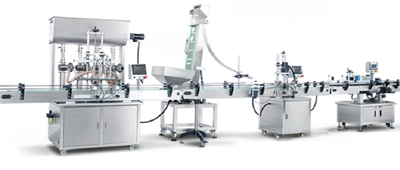
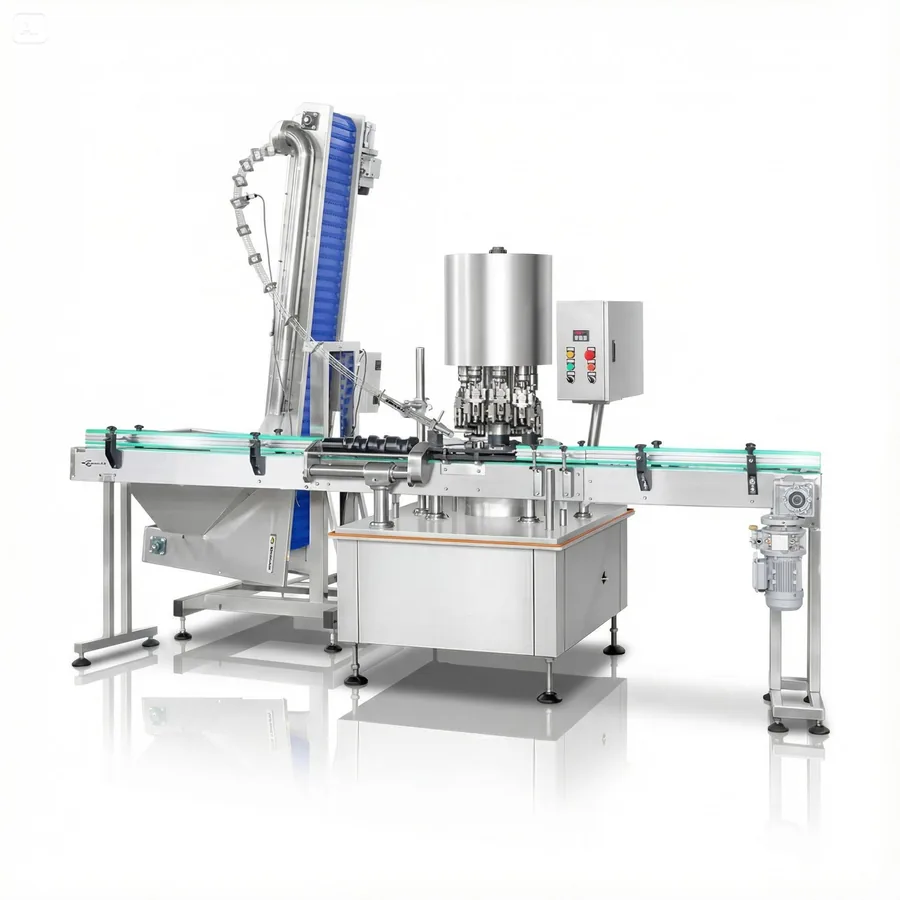
Which stage should set the pace of a fill, cap and label line?
The effective bottleneck under the approved product and format should set the line pace, with controlled headroom in adjacent stages. The filler is not automatically the pacing machine. Closure feeding, label handling, inspection or manual replenishment may become limiting conditions.
How can fill variation affect capping and labelling?
Overfill, foaming, product on the neck or unstable fill level can affect closure seating, torque, sealing, container handling and label adhesion. Trial the complete sequence with representative product rather than approving each module in isolation.
What should happen when a closure is missing after capping?
The line should detect the defined missing or incorrectly seated closure condition and apply the agreed reject or stop response. The detection point, pack tracking, reject confirmation and downstream product protection must be included in the line-control narrative.
How should reject points be placed on a fill, cap and label line?
Place reject points after the relevant decision while preserving enough spacing and stable handling for confirmed removal. Decide whether failures can share one reject station or need separate routes. The inspection and reject integration guide explains the design.