
From delivered equipment to working production

Packaging Line Installation and Commissioning

Plan site readiness, installation, setup, integrated testing and operator handover against an agreed scope and acceptance route.

  • Application-led specification
  • Connected line engineering
  • UK installation and support
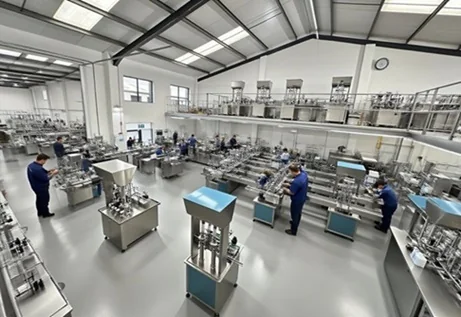
Automatic packaging machinery during installation and commissioning
40+ yearspackaging machinery experience
One production sequenceModules planned as a connected system
Built around your packsProduct, container and closure first
Practical UK supportFrom specification to aftercare

Your production requirement

Commissioning starts before delivery day

A smooth installation depends on prepared services, access, floor condition, safe working arrangements, product and packaging samples, trained staff and clear responsibility for each task. These details are reviewed before machinery arrives.

Commissioning then moves from individual-machine checks to dry running, product trials, connected-line tuning and agreed acceptance formats. Settings, outstanding actions and operator handover are documented.

Line architecture

A structured route into production

The agreed plan separates site preparation, mechanical installation, testing and production support.

Site readiness

Confirm access, floor, utilities, services, permits, samples and customer resources.

Installation

Position, level and connect equipment and complete the agreed mechanical and electrical interfaces.

Commissioning

Set formats, test safety and controls, introduce product and tune the connected line.

Handover

Train relevant users, record settings, review maintenance and close or track remaining actions.

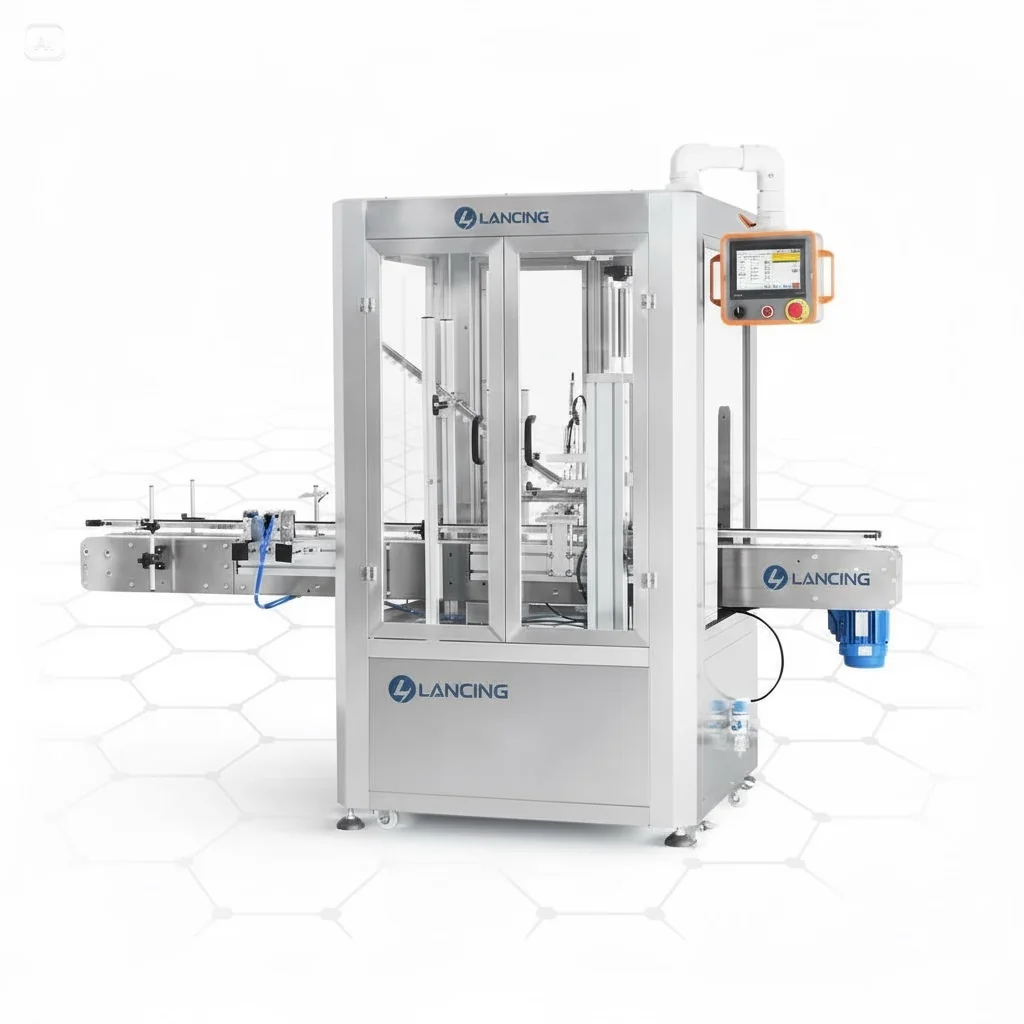
Automatic packaging line machinery

Specification checklist

Prepare people, product and services

Commissioning time is most valuable when the line can be tested under representative conditions.

  • Approved layout and machine access route
  • Power, air, extraction, drainage and product services
  • Representative product, containers, caps, labels and cases
  • Named production, engineering and quality contacts
  • Acceptance formats, run length and pass criteria
  • Training attendees, language and shift availability

Your project route

What you can expect from first discussion to production

  1. 1

    Share

    Tell us the product, pack formats, output target, shifts, site constraints and future plans.

  2. 2

    Test

    We review representative product, containers, closures and labels so recommendations are based on real production materials.

  3. 3

    Plan

    You receive a coordinated line concept covering machinery, transfers, controls, guarding, access, utilities and changeovers.

  4. 4

    Install

    We support installation, integrated testing, settings, operator training and production handover against the agreed scope.

  5. 5

    Support

    You can plan servicing, critical spares, new formats and future improvements around production risk.

Operational value

A controlled transition into operation

Prepared installation

Site dependencies are identified before the delivery and engineering visit.

Evidence-based acceptance

Testing uses agreed formats and criteria rather than an undefined demonstration.

Confident handover

Operators and maintainers receive practical setup, recovery and care guidance.

Start with your product and production goal

Get a packaging line recommendation for your operation

Tell us what you pack, the container and closure, your target output and the space available. We will help you identify the right line sequence and level of automation.

Straight answers

Frequently asked questions

What must be ready before installation?

Access, floor space, utilities, services, permits, samples and responsible site contacts should be ready in line with the agreed pre-installation checklist.

Is operator training included?

Training can be included in the agreed project scope. The audience, content, timing and any repeat sessions should be defined before commissioning.

What is a site acceptance test?

It is an agreed series of checks at the customer site to demonstrate the installed equipment or line against documented formats and acceptance criteria.

Can production support continue after commissioning?

Post-commissioning support can be discussed, including follow-up visits, servicing, spare parts and additional format assistance.

Next steps

Site readiness and acceptance

Treat installation, commissioning and handover as separate controlled stages

Installation confirms that the equipment is positioned, connected and safe to progress into testing. Commissioning develops the operating settings and proves the sequence with the customer’s product, components, utilities and surrounding process. Handover then records the accepted condition, training, settings and outstanding actions.

The site-readiness plan should be reviewed before dispatch. Access, lifting, floor condition, utilities, extraction, drainage, network connections, surrounding guarding and production materials can all prevent meaningful commissioning if they are incomplete.

Installation and commissioning evidence route
StageEntry conditionOutput
Site readinessApproved layout, access route, foundations or floor, utilities and materials availableRecorded readiness review and agreed installation method
InstallationEquipment delivered, positioned, connected and inspectedMechanical and electrical completion record
CommissioningRepresentative products, packs, operators and test methods availableDeveloped settings, action list and witnessed functional tests
HandoverAcceptance status, training, documents, spares and open items agreedSigned records, settings pack and support route

Information to prepare

  • Approved layout and delivery route
  • Utilities and site interfaces complete
  • Representative product and components
  • Acceptance method and recording sheets
  • Operators and maintenance staff available
  • Documents, settings, spares and actions list

Continue the project

Use the related pages to turn this guidance into a clearer scope and a more useful technical discussion.

For a fuller factory and site acceptance framework, refer to the Packaging Lines UK FAT and SAT guide rather than duplicating that specialist resource here.

Additional buyer questions

Project questions to agree before order

What is the difference between installation and commissioning?

Installation positions and connects the equipment so it is ready for controlled testing. Commissioning develops and verifies operation with the site utilities, products, components, operators and surrounding process.

What should be ready before commissioning starts?

The approved layout, utilities, access, representative materials, test equipment, operators, safety interfaces and agreed acceptance records should be available. Missing site inputs can prevent a meaningful test.

What should be included in the handover record?

Record the accepted formats and conditions, as-left settings, software or recipe versions, training completed, supplied documents and spares, open actions, ownership and the support contact route.

Site readiness and acceptance evidence

Run a commissioning-readiness review before product trials

Commissioning should develop and verify the installed line, not discover that access, power, air, guarding interfaces, products, components, operators or downstream equipment are unavailable. A formal readiness review makes the difference between mechanical completion and a site that is ready for controlled production testing.

The review should name the evidence required, the person confirming it and the latest point at which an open item can be closed without disrupting the agreed site sequence. Items that remain open should carry a clear effect on testing or acceptance.

Packaging-line commissioning-readiness review
Readiness areaEvidence to confirmRisk if incomplete
Access and installation areaDelivery route, lifting plan, floor and fixings, working space, hygiene controls, permits and surrounding production restrictionsEquipment cannot be positioned, levelled, guarded or accessed as designed
Utilities and servicesCorrect connection points, capacity, isolation, air quality, extraction, drainage, network and any process servicesFunctional testing is delayed or performed under unrepresentative conditions
Products and componentsApproved revisions and sufficient representative quantities of product, containers, closures, labels, coding materials and casesTrials do not prove the actual production range or stop before meaningful evidence is collected
Controls and safety interfacesMachine connections, line signals, guarding boundaries, emergency-stop zones, safe reset points and validation responsibilitiesModules may run locally but the complete line cannot be tested or released safely
People and production supportNamed operators, engineering and quality contacts, training audience, shift availability and authority to accept or raise actionsSettings and decisions are not transferred to the people who will own production
Acceptance and recordsApproved protocol, formats, run conditions, measurement tools, intervention rules, document templates and open-action processResults are disputed or cannot be traced to the agreed requirement

Records to maintain during site work

  • Installation and utility completion checks
  • Interface and I/O test records
  • Safety verification and validation references
  • Product-trial settings and material revisions
  • Acceptance results and permitted interventions
  • Training attendance and competence topics
  • As-left configuration, backups and open actions

Prepare the site from the approved project scope

Link readiness items to the interface schedule and project brief so each site input has an owner and each accepted result has a traceable record.

Readiness to handover

Separate site completion, commissioning and acceptance

Installation confirms that the equipment is positioned and connected. Commissioning develops a stable operating setup. Acceptance records whether the agreed requirements have been demonstrated. Keeping these stages distinct makes open actions and responsibility easier to control.

Installation-to-acceptance gates
GateQuestionUseful guide
Site readyAre access, floor, utilities, interfaces, materials and people available?Site readiness
Mechanical and electrical completionIs the installed line complete, safe to energise and recorded against the approved layout?Safety planning
Functional commissioningDo modules, handshakes, recipes, alarms, rejects and recovery operate as designed?Controls architecture
Production provingAre representative materials and authorised quality checks available?Sample and trial preparation
Acceptance and handoverDo the agreed criteria, records, training, backups and open actions support production ownership?FAT and SAT readiness

Site and handover questions

Questions buyers ask before installation and commissioning

What proves that a packaging line site is ready for installation?

Site readiness is proved by approved access, floor and layout checks, available utilities, completed buyer works, agreed lifting and positioning routes, materials on site and named responsible people. A checklist should close each prerequisite rather than relying on a general confirmation.

How should commissioning product and packaging materials be planned?

Reserve representative, approved and traceable materials for setup, challenge tests, training and acceptance. Include difficult formats, expected variation and enough quantity for the agreed run method. Separate development material from saleable production where required by the site.

What should be tested after packaging line utilities are connected?

Verify service quality, isolations, phase and direction checks, pressure or flow under load, network availability, extraction and drainage boundaries before product trials. Then complete machine and line functions in a controlled sequence rather than starting with a full-rate run.

When is an automatic packaging line ready for production handover?

The line is ready when agreed acceptance evidence is complete, safe use is established, operators have received the required training, final documents and backups are available, and any open actions are controlled. Use the handover-pack checklist.

Handover readiness

Prove that the installed line can be supported after commissioning

Site acceptance should close the operating, data and maintenance handover as well as the production test.

Before the final handover, confirm that the installed electrical drawings, machine manuals, format records, PLC and HMI backups, drive parameters and inspection recipes match the equipment on site. Record software versions and any open actions so the production team can distinguish the accepted baseline from later changes.

Training should cover normal operation and the boundaries for cleaning, changeover, fault clearance and maintenance. Where an intervention requires isolation, access or specialist competence, that limit should be explicit. The customer’s site procedures and risk assessment remain essential.

Commissioning data should also be checked. Confirm that accepted counts, rejects, alarms and line states are reported from the agreed points and that time-dependent records are synchronised. If higher-level reporting is not part of the initial scope, document the available interface and the responsibility for any later connection.

Support-readiness evidence at handover
DeliverableAcceptance check
DocumentationMatches the installed machines, formats, utilities and line interfaces
Controls backupsCurrent versions are identified, stored and capable of controlled restoration
TrainingOperator and maintenance responsibilities are recorded for the agreed tasks
DataCounts, states, alarms and reject records match their defined test cases
Spares and supportCritical items, sourcing routes, contacts and escalation evidence are agreed

Continue with the maintenance and critical-spares guide and the production-data integration guide.

Packaging Line Operator Training and Competence explains the project decisions, evidence and responsibilities that should be resolved before the relevant line scope is accepted.