
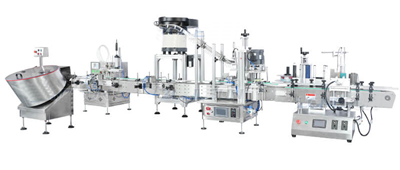
Confirm the building, utilities, access, retained equipment, production materials and responsible people before delivery so commissioning can focus on the line rather than unfinished site work.
1. Treat site readiness as a controlled project gate
Delivery should follow an agreed readiness review rather than an assumption that the production area will be prepared. Assign each site action an owner, evidence requirement and completion date. Photograph or record critical services and dimensions where a later misunderstanding would delay installation.
| Area | Evidence before delivery | Typical owner |
|---|---|---|
| Access and lifting | Measured route, door openings, floor restrictions and lifting plan | Site project or facilities team |
| Foundations and position | Approved layout, floor condition, datum and fixing method | Facilities and machinery supplier |
| Utilities | Available supply, connection point, isolation and quality | Site engineering |
| Interfaces | Retained equipment, product feed, data and safety boundaries | Integrator and named interface owners |
| Materials | Approved product and packaging components available for commissioning | Production and procurement |
| People | Operators, engineering, quality and decision-makers scheduled | Site project lead |
2. Verify the complete delivery and positioning route
Check the route from vehicle unloading to final position, including turns, slopes, floor loading, overhead restrictions, lifts, doors and temporary removals. Identify who provides unloading, lifting equipment, permits, banksmen and any temporary protection.
Confirm whether machinery arrives as complete modules or requires assembly. The installation plan should state packaging, lifting points, storage conditions and the response if the area is not ready on the planned date.
3. Define each utility by quality and connection boundary
“Power and air available” is not a utility specification. Record the supply characteristics, capacity, isolation, connection location, pipe or cable responsibility and the condition required at the machine. Include services used only during cleaning, product change or maintenance.
- Electrical supply, protective devices, isolation and earthing responsibilities
- Compressed-air pressure, quality, capacity and connection point
- Water, steam, heating or cooling services where the process requires them
- Drainage, bunding, extraction and ventilation
- Product feed, return, recirculation or hopper-loading interfaces
- Network connection, addressing, time source and cybersecurity approvals
- Lighting, temperature and environmental restrictions
4. Prepare retained machinery and production interfaces
Existing equipment must be available, safe and documented when it forms part of the new line. Record heights, speeds, controls signals, ownership, condition and shutdown windows. Arrange backups and access to authorised personnel before controls or mechanical modifications begin.
Where the new line connects to product manufacture or warehouse systems, confirm the operating assumptions on both sides. A packaging line cannot prove sustained output if product supply or finished-goods removal is unavailable during the agreed test.
5. Make commissioning materials representative
Commissioning requires the correct product, containers, closures, labels, coding consumables and secondary packaging. Use approved batches where possible and identify any substitute material. Store and condition materials as they would be in production if temperature, moisture or handling affects behaviour.
The sample-trial guide explains how to build a representative material matrix and record trial evidence.
6. Schedule the people needed to make decisions
Operators, engineering, quality, safety, IT or controls specialists and project decision-makers may all be needed at different stages. Clarify who can approve settings, product release, deviations and acceptance. Plan training around the actual operating roles rather than treating one demonstration as complete handover.
- Installation coordination and permits
- Mechanical and electrical completion checks
- Product and packaging-material availability
- Controls and data-interface support
- Quality sampling and release decisions
- Operator and maintenance training
- Acceptance witnesses and action owners
7. Close readiness with a signed review
Before dispatch or mobilisation, review open items and their effect on safety, programme and acceptance. A controlled exception can be manageable when the temporary arrangement and owner are explicit; an unrecorded assumption usually becomes a site delay.
Continue with the installation and commissioning route, the layout-planning guide and the FAT and SAT readiness guide.