
The interfaces that make a line work

Packaging Line Conveying and Accumulation

Connect automatic packaging machinery with controlled transfers, sensible buffers and line logic developed around the real pack and operating sequence.

  • Application-led specification
  • Connected line engineering
  • UK installation and support
Conveyor connecting automatic packaging machinery
40+ yearspackaging machinery experience
One production sequenceModules planned as a connected system
Built around your packsProduct, container and closure first
Practical UK supportFrom specification to aftercare

Your production requirement

Conveyors are part of the process, not just transport

Conveyor width and speed are only the starting point. Pack stability, side pressure, guide design, transfer gaps, wet surfaces, rejects, operator access and the response to machine stops all affect line performance.

Accumulation gives connected machines time to recover from short interruptions, but too much back pressure can damage packs or affect labelling and capping. Buffers are therefore located and controlled for a defined purpose.

Line architecture

Connected movement through the line

Each conveyor section has a job within the production sequence and control philosophy.

Infeed and metering

Present packs at the correct pitch and release rate for filling, capping or labelling.

Machine transfers

Bridge equipment interfaces while controlling unstable or shaped containers.

Accumulation

Provide targeted buffer capacity around constraints and common short stops.

Outfeed and routing

Merge, divert, reject, incline or transfer finished packs to inspection and packing.

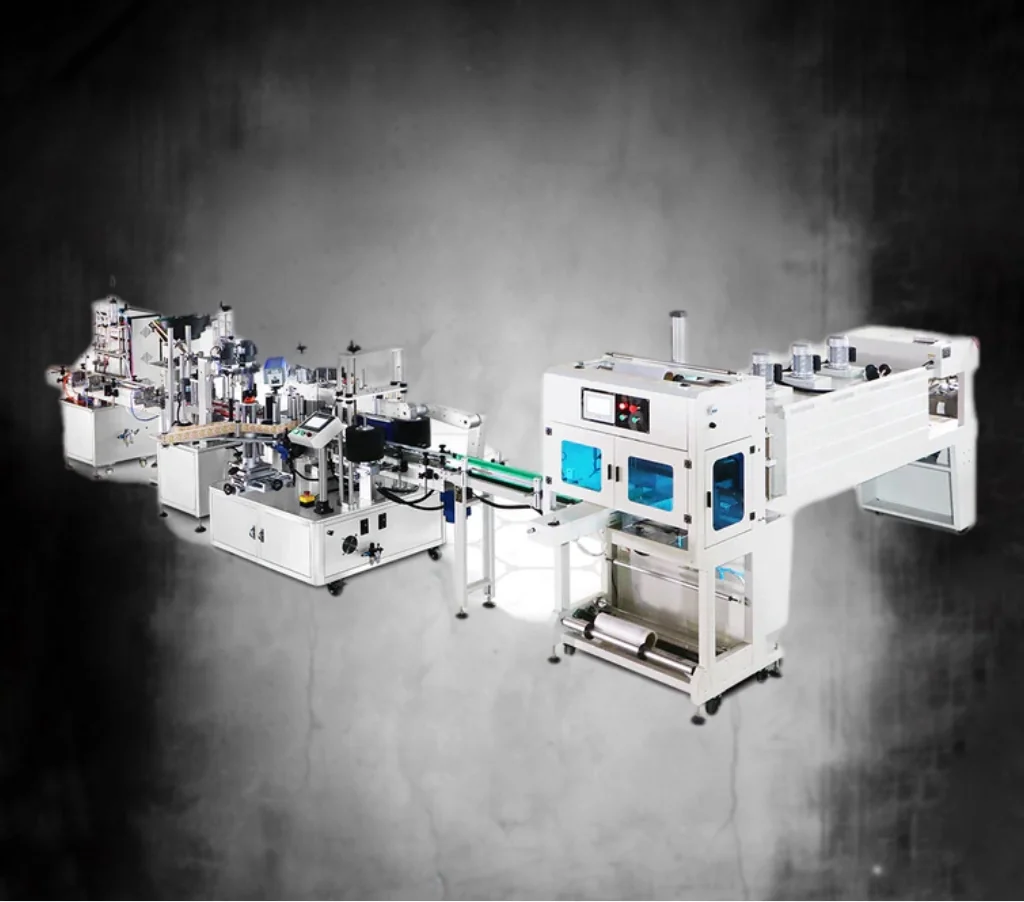
Automatic packaging line machinery

Specification checklist

Design around real pack behaviour

Conveyor trials and layout review are especially valuable for tall, light, flexible or irregular containers.

  • Full and empty pack dimensions, weight and centre of gravity
  • Acceptable contact, scuffing and back pressure
  • Machine bed heights and transfer geometry
  • Required buffer time at each line constraint
  • Reject, sample and manual intervention points
  • Cleaning, drainage, guarding and maintenance access

Your project route

What you can expect from first discussion to production

  1. 1

    Share

    Tell us the product, pack formats, output target, shifts, site constraints and future plans.

  2. 2

    Test

    We review representative product, containers, closures and labels so recommendations are based on real production materials.

  3. 3

    Plan

    You receive a coordinated line concept covering machinery, transfers, controls, guarding, access, utilities and changeovers.

  4. 4

    Install

    We support installation, integrated testing, settings, operator training and production handover against the agreed scope.

  5. 5

    Support

    You can plan servicing, critical spares, new formats and future improvements around production risk.

Operational value

Line flow with intentional control

Fewer nuisance stops

Metering and buffering help isolate short disturbances from the whole line.

Protected pack quality

Guides, transfers and pressure are developed around the container and label.

Clear line logic

Sensors and stop conditions coordinate modules rather than relying on independent machine reactions.

Start with your product and production goal

Get a packaging line recommendation for your operation

Tell us what you pack, the container and closure, your target output and the space available. We will help you identify the right line sequence and level of automation.

Straight answers

Frequently asked questions

How much accumulation does a packaging line need?

It depends on the constraint, stop pattern, pack tolerance and available space. Accumulation should have a defined operational purpose rather than be added arbitrarily.

Can conveyors connect existing machines?

Yes. Machine heights, speeds, controls, guarding and physical access should be surveyed so the interfaces can be engineered correctly.

How are unstable containers transferred?

Approaches can include suitable belt or slat surfaces, close transfers, side belts, controlled guides, timing screws or star-wheel handling, depending on the pack.

Can reject stations be included?

Yes. Reject and sample routes can be integrated with inspection systems, confirmation sensors and suitable collection or lockable bins.

Next steps

Line-flow engineering

Use conveyors and buffers to control product flow, not to hide an unbalanced process

Conveyors set the working relationship between machines. Their speed, width, guide design, transfer geometry, metering and controls determine whether products arrive stable and correctly spaced. The design should be based on the real pack, including low-friction, unstable, flexible or easily marked formats.

Accumulation should be added for a defined disturbance or operating task. A buffer can protect useful output during short stops or replenishment, but excessive back pressure or uncontrolled release can create its own handling problems.

Conveyor and accumulation design questions
AreaDefineCheck with samples
InfeedBulk or single-file presentation, required spacing and machine demandBridging, tipping, gaps and sensor detection
TransferWorking heights, unsupported gap, direction change and guide continuityBase stability, scuffing and pack orientation
BufferDisturbance to absorb, required autonomy and release logicPressure, queue behaviour and restart surge
ControlsStarved, blocked, run permissive, fault and manual-mode behaviourMachine response during agreed stop and recovery scenarios

Information to prepare

  • Pack dimensions, weight and stability
  • Required spacing and orientation
  • Connected machine heights and speeds
  • Short-stop and replenishment pattern
  • Cleaning and material compatibility
  • Guarding, controls and future routing

Continue the project

Use the related pages to turn this guidance into a clearer scope and a more useful technical discussion.

Detailed conveyor-type and accumulation guidance is maintained on Packaging Conveyors UK; this page concentrates on the automatic-line interface.

Accumulation as a line-control function

Define the buffer policy before choosing conveyor length

Accumulation is not simply spare conveyor. A useful buffer has a stated purpose, entry condition, available capacity, release rule and response when it becomes full or empty. Without that policy, extra conveyor can hide a constraint, damage unstable packs or delay the same stop rather than preventing it.

Start with the production event the buffer is intended to absorb. Then review pack stability, contact pressure, first-in first-out needs, inspection status, guide adjustment, access and the signals exchanged with the machines on either side.

Packaging-line buffer policy examples
Buffer purposeTrigger and release logicRisk to control
Absorb a short downstream stopAllow upstream production until usable capacity reaches the agreed limit, then issue a controlled blocked state; release progressively after downstream recoveryPack pressure, unstable contact, uncontrolled surge and repeated start-stop cycling
Support component replenishmentCreate enough decoupling for an agreed cap, label, coding-material or case loading task while maintaining visibility of the true low-level stateDesigning around unrealistic manual replenishment or allowing the buffer to mask chronic supply loss
Protect inspection and rejectionRetain pack identity and spacing through inspection, reject confirmation and downstream releaseMixing accepted and failed packs, losing reject tracking or filling the reject route without a line response
Manage a manual taskDefine operator cycle, safe access, minimum and maximum queue, call-for-assistance signal and what happens when the station cannot keep paceUnlimited labour assumptions, unsafe reach, pack damage and an unmeasured production constraint
Support line clearance or format changeUse controlled run-out, defined empty points and status confirmation before recipes or mechanical settings changeMixed formats, retained product, incorrect settings and difficult restart diagnosis

Information needed for a buffer decision

  • Pack dimensions, weight, rigidity and stability
  • Required orientation and spacing
  • Upstream and downstream effective rates
  • Stop event to absorb and expected recovery
  • Inspection, coding and traceability status
  • Guide, cleaning, reject and maintenance access
  • Blocked, starved and full-buffer signals

Keep specialist conveyor selection with the right owner

This page defines the automatic-line control and interface requirement. Detailed conveyor type selection is covered by Packaging Conveyors UK; use the line-balance guide here to define why the buffer is required.

Flow diagnosis

Use starved and blocked evidence to place buffers where they help

Accumulation should separate short disturbances without creating permanent queue pressure or hiding the true constraint. Record where starvation begins, where blockage propagates and how the line recovers at normal production conditions.

Conveyor and accumulation evidence
ObservationQuestionPossible action to investigate
Repeated upstream blockageIs the downstream machine, transfer or reject area the real constraint?Review downstream duty, transfer stability and controlled release
Repeated downstream starvationIs product supply intermittent or is spacing being lost at a transfer?Review feeder output, conveyor speed ratio, metering and sensor position
Buffer always fullIs capacity being used to store a permanent imbalance?Rebalance the constraint rather than adding more queue
Buffer always emptyIs it located away from the disturbance it was intended to absorb?Review placement, usable capacity and control thresholds
Jams after restartDoes the recovery release too much product into a constrained transfer?Define staged restart and buffer-level logic

Use the packaging line troubleshooting guide to identify first cause and the layout guide to protect stable transfers and working access.

Line-flow questions

Questions buyers ask about conveyors and accumulation

What determines the useful capacity of a packaging line accumulation zone?

Useful capacity depends on the pack footprint, orientation, permitted contact, conveyor geometry, entry and discharge rules and the disturbance the buffer must absorb. Physical length alone is not enough. The control system must also know when the buffer is available and how to recover.

How should a conveyor react when downstream equipment blocks?

The upstream route should follow an agreed slow, hold, accumulate or controlled-stop sequence before product damage or uncontrolled pressure occurs. The response should distinguish a short recoverable block from a fault requiring clearance.

What causes containers to become unstable at packaging line transfers?

Common causes include unsupported gaps, height changes, guide discontinuities, sudden speed differences, poor base condition, high centre of gravity and back-pressure. Test the least stable approved container at starts, stops and buffer release, not only during steady flow.

When is pressureless accumulation important?

Pressureless or low-pressure handling is important when packs can scuff, deform, tip, trigger false sensors or become difficult to discharge under contact pressure. The chosen method must still provide the required buffer and controlled release. See the output guide for the capacity boundary.