Primary coding
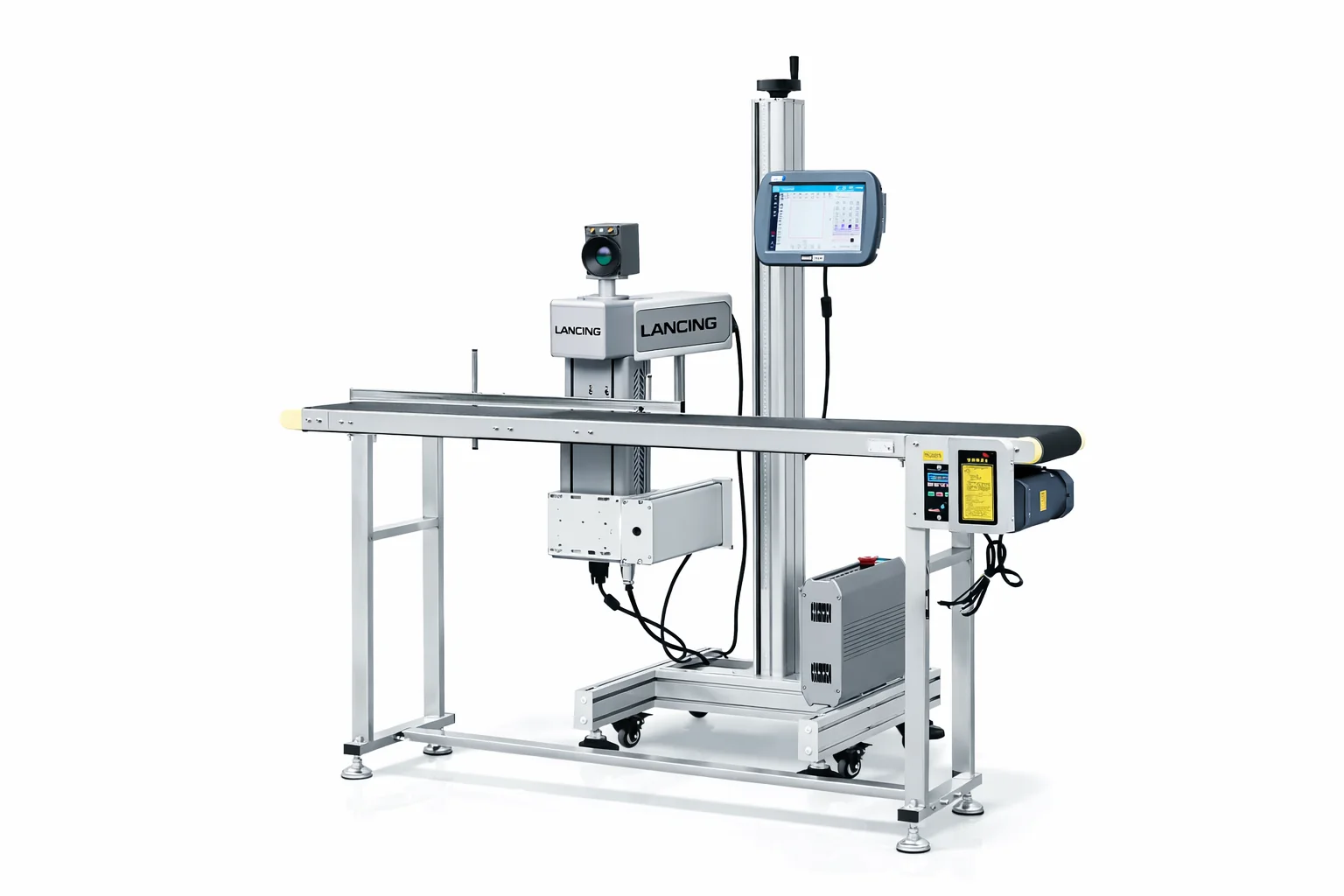
Apply date, batch or other variable information using an appropriate coding technology.

Traceability and pack integrity
Place coding, printing and sealing operations at the right point in the line, with stable packs and defined verification and reject logic.
Your production requirement
Batch and date coding, barcode printing, induction sealing and foil sealing may occupy little floor space, but their position and pack presentation influence traceability and integrity. The line should give each device a stable, repeatable target.
Data supply, recipe control, verification, reject confirmation and access for consumables are considered alongside the mechanical integration so the operation is practical for production and quality teams.
Line architecture
The exact technology is selected for the substrate, closure, data and verification requirement.
Apply date, batch or other variable information using an appropriate coding technology.
Print and apply variable labels or add information to pre-printed labels.
Integrate induction, foil or other sealing stages where the pack design requires them.
Verify readable data, seal presence or agreed attributes and remove non-conforming packs.
Specification checklist
A clear user requirement should show what is printed or sealed, where it comes from and how it is checked.
Your project route
Tell us the product, pack formats, output target, shifts, site constraints and future plans.
We review representative product, containers, closures and labels so recommendations are based on real production materials.
You receive a coordinated line concept covering machinery, transfers, controls, guarding, access, utilities and changeovers.
We support installation, integrated testing, settings, operator training and production handover against the agreed scope.
You can plan servicing, critical spares, new formats and future improvements around production risk.
Operational value
Conveying and sensors position each pack consistently for the coding or sealing device.
The line response to unreadable codes or missing seals is agreed before commissioning.
Consumable changes, cleaning and fault recovery remain accessible to the team.
Start with your product and production goal
Tell us what you pack, the container and closure, your target output and the space available. We will help you identify the right line sequence and level of automation.
Straight answers
It can be possible, depending on the coder, line controls and data source. The required level of integration and validation should be defined in the scope.
Its position depends on cap application, container stability, cooling, inspection and labelling. It is normally planned as part of the closure and quality sequence.
Yes. Barcode readers or vision systems can verify agreed data and trigger a controlled reject where the application supports it.
Potentially. The device, bracket, communications, speed and pack presentation should be assessed before line design.
Next steps
Module
Continue planning with this related automatic-line resource.
View labelling systemsModule
Continue planning with this related automatic-line resource.
View capping systemsIndustry
Continue planning with this related automatic-line resource.
View pharma and nutraceuticalQuality and traceability interfaces
Coding, sealing and inspection stages often depend on information or materials supplied elsewhere. The project scope should identify where batch and date data originate, who approves the message, how a line change is authorised and what happens when the code or seal cannot be verified.
A reject device is only one part of the control. The line also needs suitable spacing, a confirmed reject event, a contained reject location and a defined response if the reject bin is full or confirmation is missing.
| Control point | Define | Evidence |
|---|---|---|
| Data ownership | Source of batch, date, product and label data; access and approval levels | Correct message loaded and linked to the approved production recipe |
| Pack presentation | Code or seal area, orientation, spacing and surface condition | Representative packs remain stable through application and inspection |
| Pass/fail rule | Readable code, seal presence, position or other measurable requirement | Agreed samples or instrument checks demonstrate both pass and fail conditions |
| Reject management | Reject location, confirmation, bin-full response and reconciliation | Recorded failed pack is removed and the line reacts correctly to an unconfirmed reject |
Project check
Coordinate product recipes, code messages and label versions through one controlled change process.
Project check
Use metering and transfers that suit the coding or inspection technology.
Project check
Provide clear alarms and recovery instructions rather than allowing repeated unverified packs.
Use the related pages to turn this guidance into a clearer scope and a more useful technical discussion.
CODING AND SEALING BUYER QUESTIONS
Coding and sealing functions must be integrated with product tracking, material condition, inspection and reject handling. A readable mark or closed seal at one instant is not enough unless the acceptance method and response to failure are defined.
The coder should be positioned where the target surface is controlled, accessible and presented consistently, with enough distance for drying, curing or inspection where the chosen technology requires it. The position must also support safe maintenance, data transfer and tracking of the coded pack to any inspection and reject point.
Automatic code checking should use a defined acceptance rule for presence, position, readability and data correctness. The inspection method must match the code type and substrate, then link the failed result to the correct pack and confirmed reject action. A camera that sees a mark is not automatically proof that every required character or code value is correct.
Heat-seal quality can depend on material specification, temperature, dwell time, pressure, contamination, product loading, alignment and equipment condition. The correct settings must be established with the intended packaging material and realistic line conditions. Seal acceptance should use an agreed test method rather than appearance alone.
Provide the substrate or pack samples, required code or seal, variable data source, print area, line speed range, trigger and interface requirements, inspection criteria, reject response, utilities and access constraints. For sealing, include the approved material structure and acceptance method. This allows the function to be specified as part of the line rather than an isolated accessory.
Packaging Line Reject Management and Traceability explains the project decisions, evidence and responsibilities that should be resolved before the relevant line scope is accepted.
2D BARCODE READINESS
Moving from a fixed linear barcode to a variable 2D code can affect the data source, artwork, coding technology, inspection, reject confirmation and production records. The brand owner should approve the carrier and encoded data before machine trials begin.
Trial the approved substrate, colour, finish, line speed range and print position. Confirm the available marking window and the effect of pack movement or surface variation.
Define data ownership, online inspection, product tracking, reject confirmation and record boundaries as one sequence. A readable code is not enough if the wrong data can be associated with the pack.
Use the GS1 2D barcode packaging-line guide to prepare the coding, inspection and acceptance scope.