Unscrambling or loading
Create a controlled supply of correctly oriented bottles at the start of the line.

Bottle handling from infeed to dispatch
Build a repeatable bottle-handling sequence around product dosing, closure application, presentation quality and the output your operation needs.
Your production requirement
Bottle lines may look straightforward, but tall, lightweight, shaped or flexible containers can behave very differently through guides, star wheels, transfers and accumulation. The bottle, product and closure combination should be reviewed together.
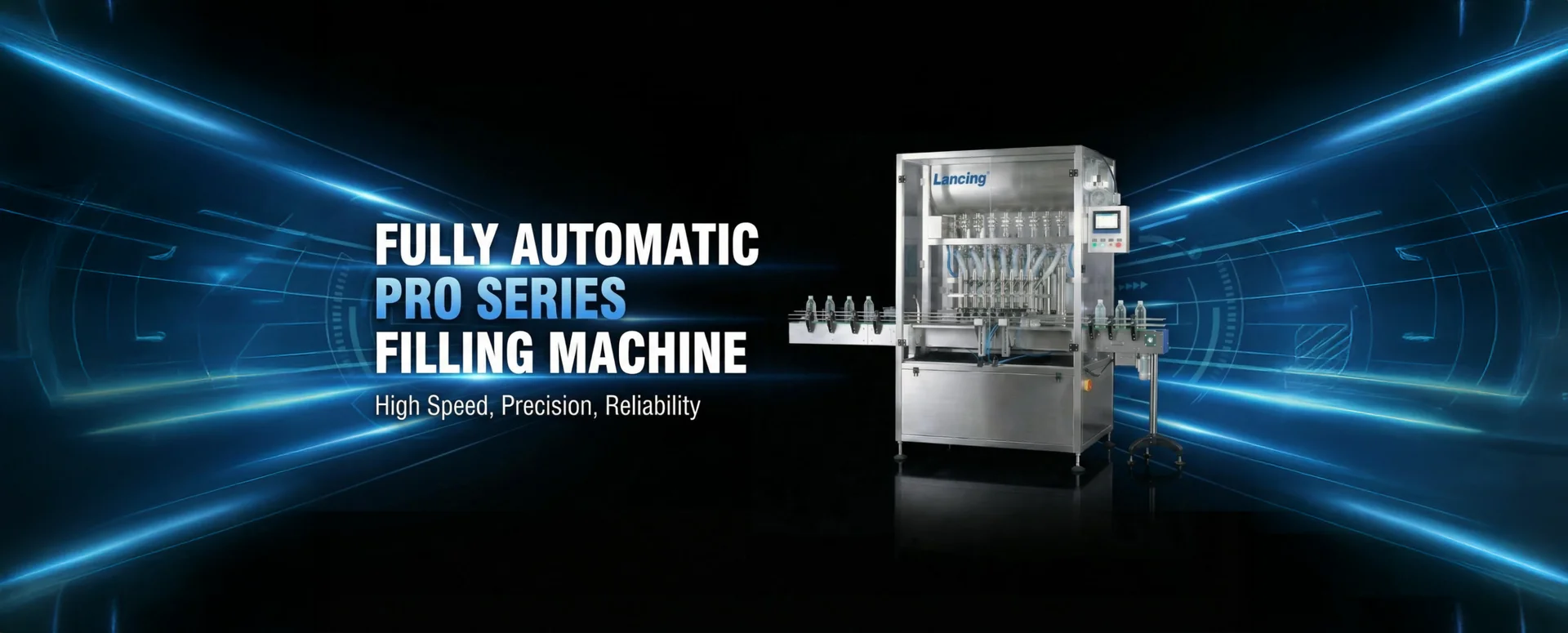
A complete bottle packaging line can start with unscrambling or manual loading, then rinse, fill, cap, label, code, inspect and transfer finished bottles into shrink wrapping, case packing or pallet preparation.
Line architecture
Modules are combined only where they add value to the required production route.
Create a controlled supply of correctly oriented bottles at the start of the line.
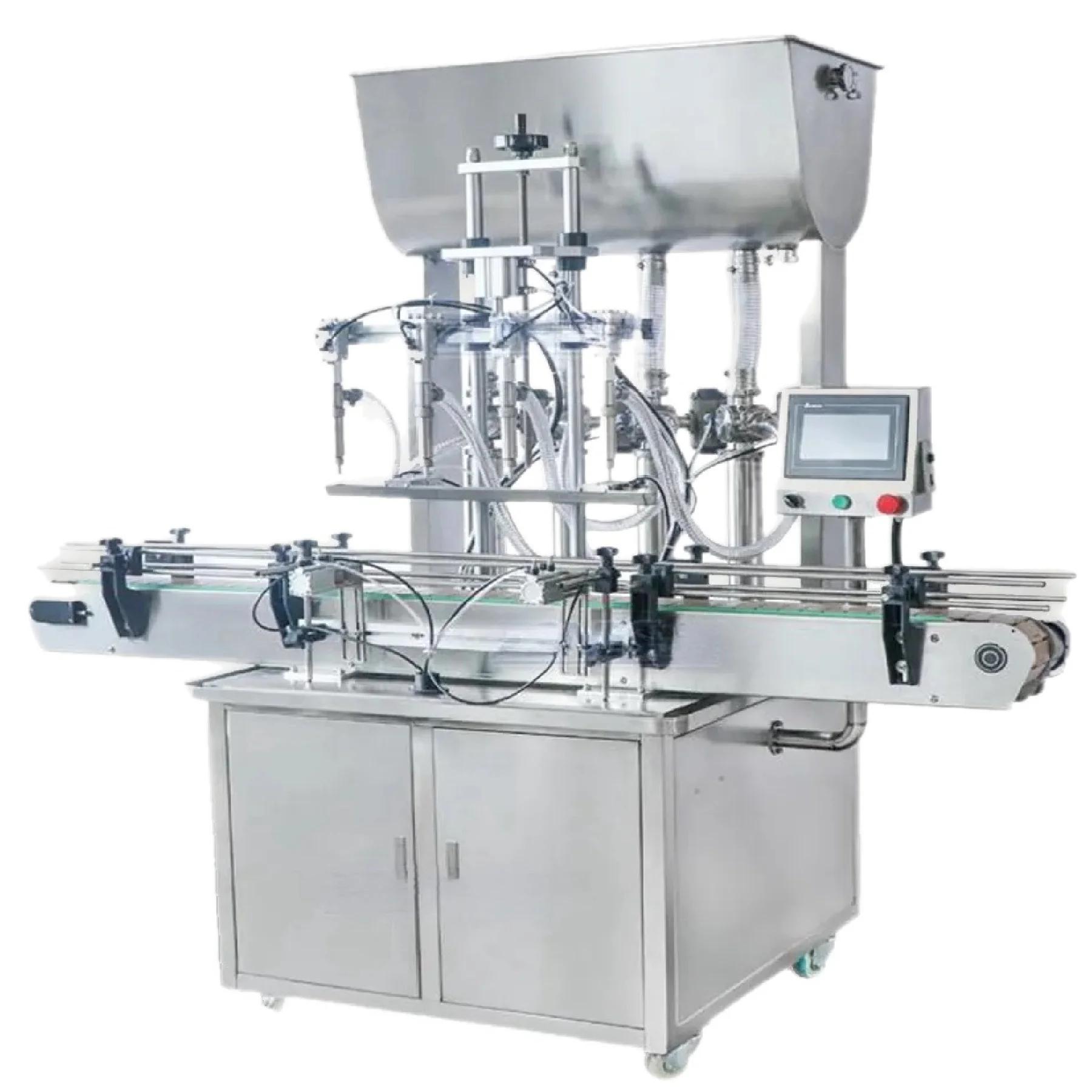
Prepare the container where needed and dose the product using an appropriate filling principle.
Apply the closure and presentation media with the bottle positively controlled.
Add traceability, inspect the pack and collate it for handling or dispatch.
Specification checklist
The format matrix should include all currently approved packs and credible future variants.
Your project route
Tell us the product, pack formats, output target, shifts, site constraints and future plans.
We review representative product, containers, closures and labels so recommendations are based on real production materials.
You receive a coordinated line concept covering machinery, transfers, controls, guarding, access, utilities and changeovers.
We support installation, integrated testing, settings, operator training and production handover against the agreed scope.
You can plan servicing, critical spares, new formats and future improvements around production risk.
Operational value
Bottle handling is developed around real dimensions and stability rather than nominal conveyor width alone.
Adjustment ranges and change parts are identified before machinery is committed.
Manual loading or packing can be retained initially while core automatic stages support future growth.
Start with your product and production goal
Tell us what you pack, the container and closure, your target output and the space available. We will help you identify the right line sequence and level of automation.
Straight answers
It can be possible, but glass and plastic have different handling, impact and weight characteristics. Both formats should be tested and included in the design brief.
That depends on bottle type, speed, labour and available space. Lower-speed lines may use controlled manual loading, while higher-volume lines often benefit from automatic orientation and feeding.
Yes in many applications, subject to product compatibility, cleaning, filling technology, contamination controls and the agreed changeover procedure.
Guide rails, conveyor surface, transfers, back pressure, spacing and accumulation are engineered around the bottle. Samples are important for realistic assessment.
Next steps
Solution
Continue planning with this related automatic-line resource.
View fill, cap and label linesModule
Continue planning with this related automatic-line resource.
View rinsing and feedingIndustry
Continue planning with this related automatic-line resource.
View food and beverage linesBottle-line engineering detail
Bottle lines should be assessed across the complete format range. A bottle that is tall, light, narrow-based, flexible or easily marked can determine conveyor guides, transfer geometry, accumulation pressure and the way the pack is presented to filling, capping and labelling stations.
Closure behaviour is equally important. Cap geometry, neck finish, liner, tamper feature, pump or trigger tube, bulk presentation and production-lot variation can affect feeding and application. Samples should come from realistic production batches rather than a single ideal set.
| Format area | Record for each SKU | Why it matters |
|---|---|---|
| Bottle | Dimensions, weight, material, base, shoulder and stability | Determines guides, transfers, sensors, infeed and accumulation behaviour |
| Closure | Type, dimensions, neck finish, torque or application requirement and bulk supply | Determines sorting, orientation, placement, tightening and verification |
| Label and code | Label construction, application zone, code content and inspection requirement | Determines pack control, application method, coding position and reject logic |
| Finished pack | Case, tray, collation, pallet or manual packing route | Determines outfeed rate, buffers and end-of-line boundary |
Project check
Minimise unsupported gaps and abrupt changes in direction where bottles can tip or separate.
Project check
Use the least stable bottle, challenging closure and full label construction during trials.
Project check
Identify change parts, reference settings and inspection checks for every approved format.
Use the related pages to turn this guidance into a clearer scope and a more useful technical discussion.
Additional buyer questions
Use the formats most likely to expose risk: the least stable bottle, the widest dimensional tolerance, the most difficult closure and the label construction most sensitive to handling or placement.
Often they can, but the practical range depends on change parts, guide adjustment, machine working envelopes, sensors, stability and acceptable changeover work. The full format matrix must be reviewed.
Accumulation creates contact pressure and pack interaction. Lightweight, flexible, decorated or unstable bottles may scuff, deform, bridge or tip unless the buffer method and pressure are selected for the actual pack.
BOTTLE LINE BUYER QUESTIONS
The correct bottle line depends on the product, container, closure, label, required output and the way each stage must recover from normal stops. These answers define the information that should be resolved before equipment is selected.
One automatic bottle line can often run several bottle sizes when the containers remain within the agreed handling, filling, closing and labelling range. Suitability depends on stability, neck and body geometry, closure type, guide adjustment, change parts, recipe control and the required changeover time. Representative samples of every format are needed before a common line scope can be confirmed.
A bottle becomes difficult to convey when it has a small base, high centre of gravity, flexible walls, irregular shape, wet or low-friction surfaces, or features that catch guides and transfers. The line layout should test starts, stops, accumulation and transfers, not only steady running. Alternative guides, timing devices or puck handling may be needed for unstable formats.
Bottles are transferred through conveyors and controlled interfaces that manage spacing, back-pressure, starved and blocked conditions. The machines should exchange line-state signals so upstream equipment slows or stops before containers become damaged or lose tracking. Transfer height, guide design, accumulation and restart behaviour should be agreed as one line rather than separately.
Provide filled and empty bottles across the expected tolerance, every closure and liner, labels, the real product or a representative trial material, coding requirements and secondary packaging. Include the target output, format list, available footprint, utilities and any existing machines. These inputs allow handling, filling, closing and label trials to reflect the intended production duty.