
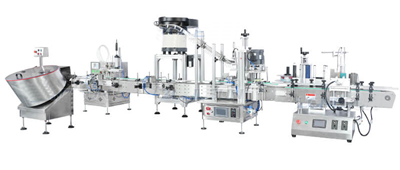
A representative trial reduces uncertainty only when the materials, operating conditions, objective, measurements and resulting decision are controlled.
1. Define the question the trial must answer
A trial should close a named uncertainty. Examples include whether a product can be dosed cleanly, whether a container remains stable, whether a closure feeds and applies consistently, whether a label conforms to the pack or whether a transfer works across a format range.
Write the decision and acceptance evidence before sending samples. A general demonstration may be useful for familiarisation but should not be treated as proof of an application that was not represented.
2. Provide product in its real operating condition
Record the condition that affects handling: temperature, viscosity or bulk behaviour, foaming, aeration, particulates, settling, stringing, static, dust, corrosivity, solvent content and storage. Explain how the product is mixed, supplied and replenished in production.
- Product name and controlled sample identity
- Normal and boundary operating condition
- Fill or dose range
- Product-contact and cleaning requirements
- Safety data sheet where the product requires one
- Any change in behaviour with time, temperature or agitation
3. Build a complete packaging-component matrix
Send the actual container, closure, liner, pump or trigger, label, coding area, tamper-evident component and secondary pack that must work together. Include drawings where available and identify approved suppliers or revisions.
| Component | Record | Trial focus |
|---|---|---|
| Container or pack | Material, dimensions, neck or opening, rigidity and orientation | Stability, filling access, guiding and transfer |
| Closure | Type, thread or fit, liner, tamper feature and presentation | Feeding, pickup, application and verification |
| Label | Material, adhesive, size, winding, backing and target position | Dispensing, conformity, sensing and presentation |
| Code | Content, location, substrate and verification requirement | Print quality, data control and inspection |
| Case or secondary pack | Board, dimensions, count, pattern and closure method | Collation, loading, sealing and discharge |
4. Include variation, not only ideal samples
Where components vary by batch or supplier, include representative variation. The design boundary should not be based on a hand-selected perfect sample. Mark damaged or out-of-spec components separately so they do not become accidental acceptance standards.
Choose boundary formats that materially change tooling or process behaviour. The smallest, largest, least stable or most difficult combination can be more informative than many near-identical variants.
5. Plan enough material for setup, learning and evidence
The required quantity depends on the uncertainty, machine route and test method. Allow for initial setup, controlled adjustments, repeated observations, quality samples and potential retest. Confirm who supplies labels, closures, cases, cleaning materials and safe disposal of unused product.
Do not infer sustained line output from a very short run with a small, hand-fed sample. Where production performance matters, agree a separate acceptance condition with representative replenishment and downstream handling.
6. Record the trial so the result can be reused
Keep the sample identity, machine configuration, settings, observations, interventions, accepted results and limitations together. Photographs and video can help explain handling, but measurements and written conclusions should identify what was and was not proven.
- Date, location and equipment configuration
- Product and component batch or revision
- Format parts and software or recipe identity
- Test sequence and operating condition
- Quality checks, rejects and operator interventions
- Settings changed and reason
- Conclusion, limitation and next action
7. Turn the evidence into a quotation-ready data pack
A useful enquiry combines trial evidence with the commercial and site boundary. Include all required formats, target accepted output, batch pattern, available footprint, utilities, existing equipment, quality checks, coding, cleaning, installation and support expectations.
| Topic | Useful input |
|---|---|
| Production duty | Products, formats, batches, shifts and accepted-output target |
| Samples | Representative product and packaging-component matrix |
| Process | Required sequence, manual tasks and existing machinery |
| Quality | Measurements, inspection, rejects, coding and records |
| Site | Layout, access, utilities and environmental restrictions |
| Project | Responsibility, trials, acceptance, installation, training and support scope |
Use the packaging line project brief to structure the request and the existing enquiry route to send the evidence to Lancing.