Product preparation
Connect tanks, pumps, mixing, heating or pasteurising interfaces where the process requires them.

Food and beverage production
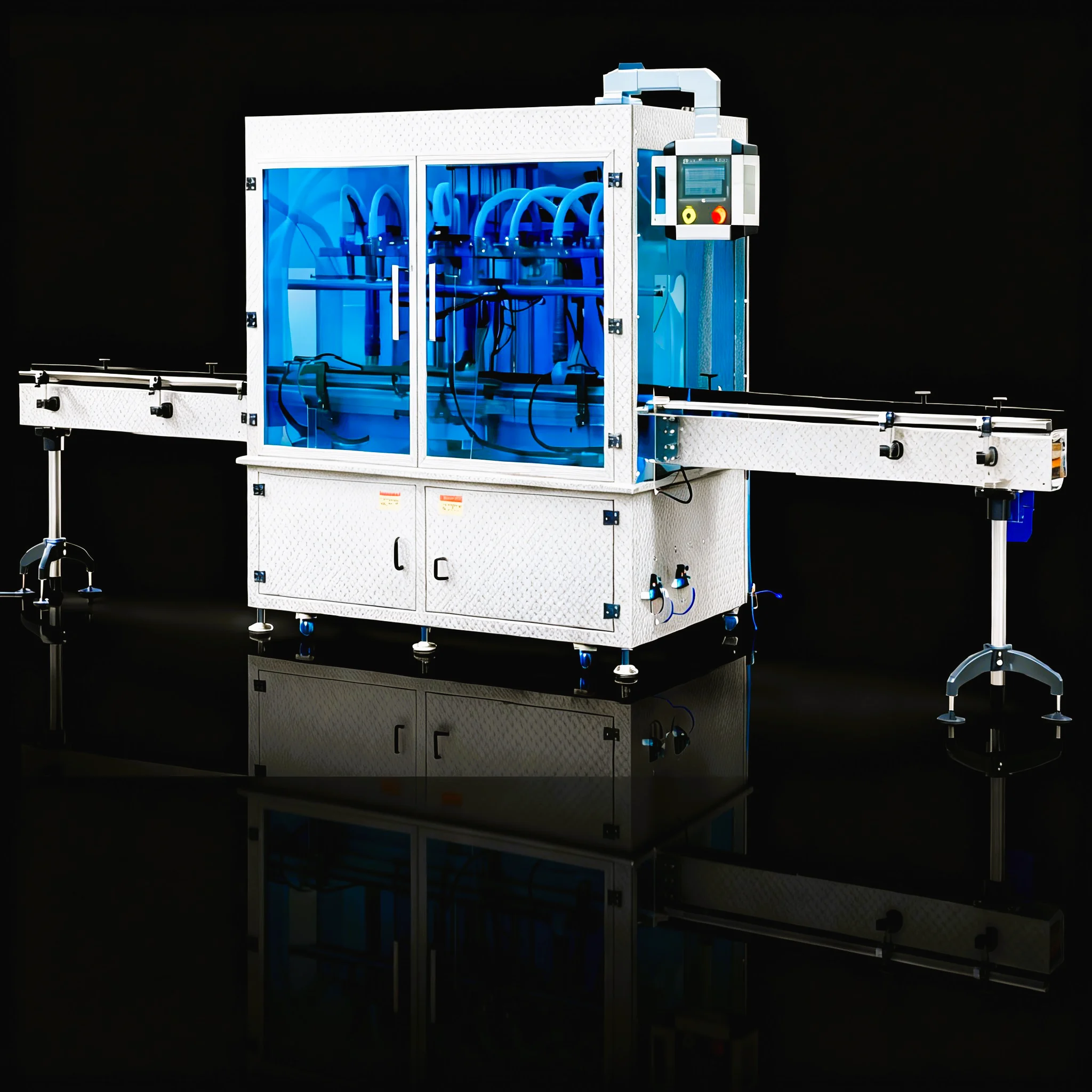
Integrate filling, closing, labelling, coding and packing around product behaviour, hygiene expectations and the presentation of the finished food or drink pack.
Your production requirement
Water-like drinks, oils, sauces, dressings, syrups and particulate foods can require different filling principles and product paths. Temperature, foaming, allergens and cleaning frequency can be just as important as nominal viscosity.
Container and closure choices then shape capping, sealing, labelling and downstream handling. The line brief should bring production, engineering, hygiene and quality needs together before machinery is selected.
Line architecture
The sequence is developed around the product risk, pack format and operating plan.
Connect tanks, pumps, mixing, heating or pasteurising interfaces where the process requires them.
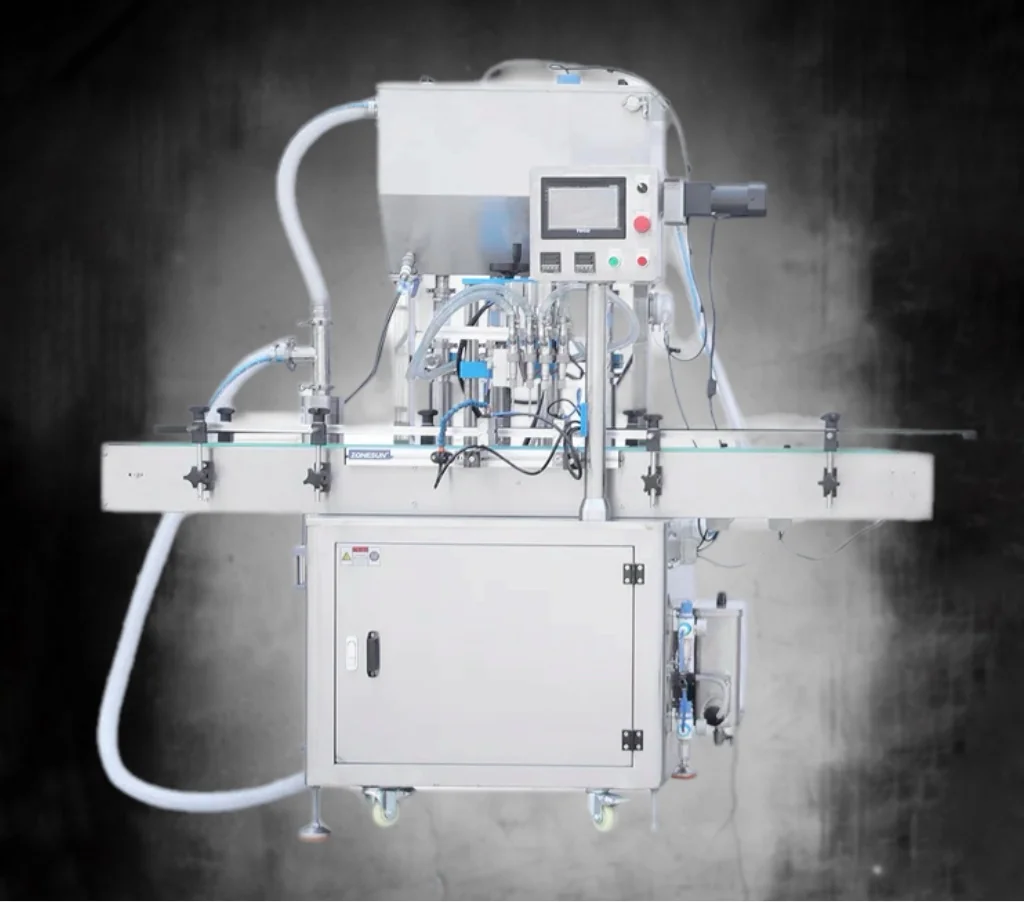
Manage foaming, particulates, temperature and clean cut-off with suitable dosing equipment.
Cap or seal the pack, then apply labels, dates, batches and other traceability information.
Inspect, collate, shrink-wrap or case-pack products for the intended distribution route.
Specification checklist
Cleaning method, frequency and access should be agreed before the final equipment layout.
Your project route
Tell us the product, pack formats, output target, shifts, site constraints and future plans.
We review representative product, containers, closures and labels so recommendations are based on real production materials.
You receive a coordinated line concept covering machinery, transfers, controls, guarding, access, utilities and changeovers.
We support installation, integrated testing, settings, operator training and production handover against the agreed scope.
You can plan servicing, critical spares, new formats and future improvements around production risk.
Operational value
Filling and transfer equipment are selected for the actual food or beverage behaviour.
Layout and product-contact arrangements consider the agreed hygiene routine.
Coding and inspection points are built into the production sequence.
Start with your product and production goal
Tell us what you pack, the container and closure, your target output and the space available. We will help you identify the right line sequence and level of automation.
Straight answers
Possibly, but the product range, cleaning and fill-performance expectations must be assessed. A very wide viscosity range may need different setup or equipment.
Often yes. Particle size, fragility, distribution, fill passage and dose are important, so representative samples and trials are needed.
Yes. Coding, checkweighing, metal detection or other inspection stages can be considered where appropriate to the quality plan.
No. Applicable material, hygiene, documentation and validation requirements should be confirmed for the specific project and equipment scope.
Next steps
Solution
Continue planning with this related automatic-line resource.
View viscous product filling linesModule
Continue planning with this related automatic-line resource.
View coding and sealingVideo
Continue planning with this related automatic-line resource.
Food and beverage line scope
The filling line receives a product created by an upstream process. Product temperature, particulates, settling, foam, viscosity and supply pressure should therefore be defined at the filler inlet, together with who controls and monitors those conditions.
Cleaning requirements should cover the complete product path and the surrounding operating area. The appropriate method depends on the product, production routine and site standards; it should not be assumed from the machine category alone.
| Area | Define | Integration impact |
|---|---|---|
| Product supply | Condition at filler, feed source, level control and batch change | Filler selection, transfer controls and responsibility boundary |
| Hygiene routine | Cleaning method, frequency, access and approved media | Product path, materials, drainage and changeover time |
| Pack integrity | Closure, seal, code and inspection requirement | Closing, sealing, traceability and reject stages |
| Downstream handling | Collation, case, tray, chilled or warehouse handover | Buffer, packing and final line boundary |
Project check
Trials should reflect the distribution and size of inclusions seen in production.
Project check
Allow removal, inspection and safe cleaning of product-contact and spill-prone areas.
Project check
Link recipe, code, label and rejected-pack handling to the site production process.
Use the related pages to turn this guidance into a clearer scope and a more useful technical discussion.
Product and format change control
Food and beverage projects can involve product residues, allergens, particulates, temperature effects, wet or dry cleaning and frequent packaging changes. The buyer’s quality plan must define the required clean condition and the evidence for release; the machinery design must provide suitable access and materials for that method.
Build the operating sequence with the changeover and cleaning guide, then confirm representative materials with the sample-trial checklist.