
Improve an existing production asset

Packaging Line Retrofits and Automation Upgrades

Target the real constraint in an existing line before adding equipment, controls, guarding, inspection or automation that must work with installed machinery.

  • Application-led specification
  • Connected line engineering
  • UK installation and support
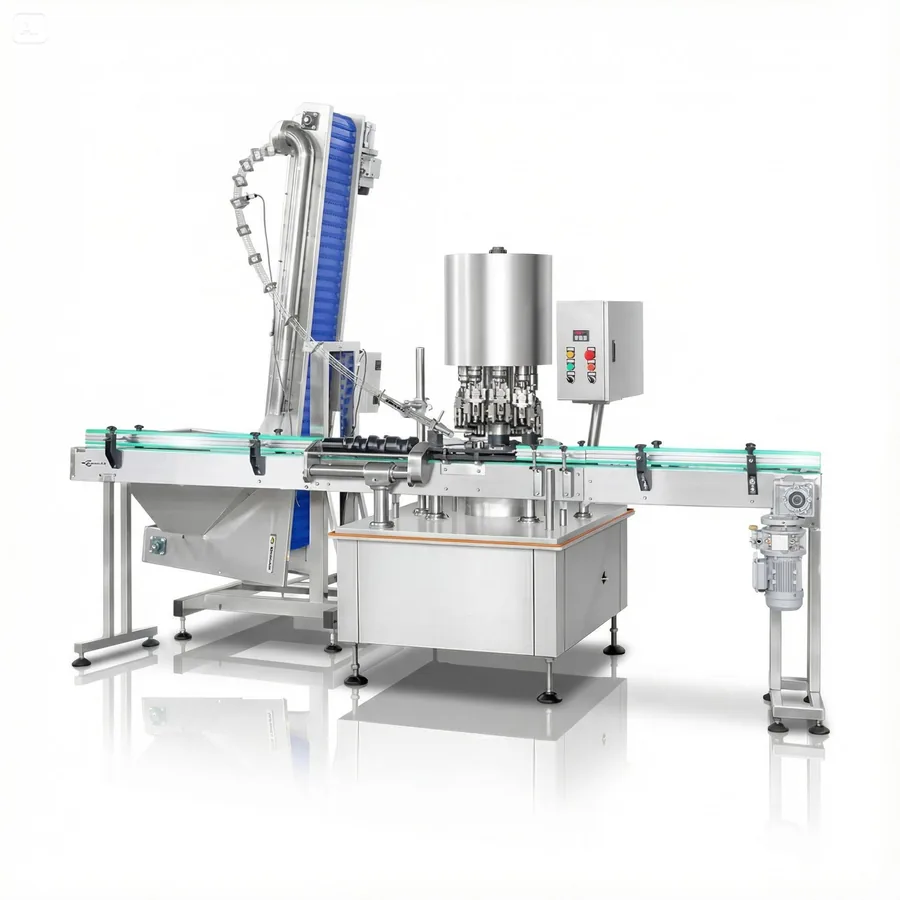
Automatic packaging machinery suitable for line upgrades
40+ yearspackaging machinery experience
One production sequenceModules planned as a connected system
Built around your packsProduct, container and closure first
Practical UK supportFrom specification to aftercare

Your production requirement

Measure the constraint before choosing the upgrade

A slow or unreliable line may be limited by feeding, transfers, changeovers, downstream packing, maintenance condition or controls rather than the machine that appears busiest. A survey and production data help define the real problem.

Upgrade options can then be assessed against remaining machine life, control availability, safety implications, downtime, spare parts and the expected commercial return compared with replacement.

Line architecture

Common upgrade routes

The scope is selected to solve a defined operational issue and integrate safely with the existing line.

Conveyor and handling changes

Improve transfers, guides, metering, accumulation or pack routing around installed machines.

Controls and sensing

Add agreed interlocks, status, recipes, counters or inspection interfaces where technically suitable.

Machine replacement

Replace a constraint module while adapting adjacent equipment and the line layout.

Format and quality upgrades

Add change parts, coding, sealing, inspection or reject handling for new requirements.

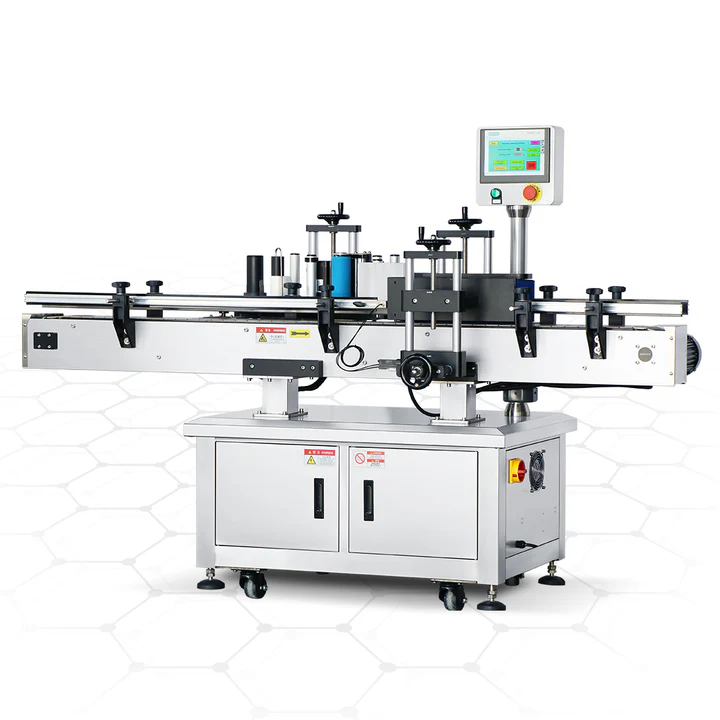
Automatic packaging line machinery

Specification checklist

Document the current baseline

An upgrade decision should compare current performance, target performance, risk and planned downtime.

  • Existing line drawings, manuals and controls information
  • Production counts, stop causes and changeover times
  • Machine condition, supportability and safety status
  • New formats, quality checks or output requirement
  • Available shutdown and installation window
  • Acceptance test and fallback plan

Your project route

What you can expect from first discussion to production

  1. 1

    Share

    Tell us the product, pack formats, output target, shifts, site constraints and future plans.

  2. 2

    Test

    We review representative product, containers, closures and labels so recommendations are based on real production materials.

  3. 3

    Plan

    You receive a coordinated line concept covering machinery, transfers, controls, guarding, access, utilities and changeovers.

  4. 4

    Install

    We support installation, integrated testing, settings, operator training and production handover against the agreed scope.

  5. 5

    Support

    You can plan servicing, critical spares, new formats and future improvements around production risk.

Operational value

Focused improvement with known boundaries

Constraint-led scope

Investment is directed at the issue that limits useful output or quality.

Integrated change

Mechanical, controls and safety effects on existing equipment are reviewed together.

Planned disruption

Installation, testing and return-to-production activities are organised around the shutdown window.

Start with your product and production goal

Get a packaging line recommendation for your operation

Tell us what you pack, the container and closure, your target output and the space available. We will help you identify the right line sequence and level of automation.

Straight answers

Frequently asked questions

Can old packaging machinery be automated?

Sometimes, but condition, controls, mechanical design, safety and supportability must be assessed. Retrofitting is not always lower risk than replacement.

Can a new filler or labeller be added to an existing line?

Yes where the speeds, heights, pack handling, controls and space can be integrated. A site survey is normally required.

How do I know whether to retrofit or replace?

Compare remaining life, downtime risk, parts availability, performance gap, safety work, upgrade cost and the value of a supported new machine.

Can upgrades be completed during a planned shutdown?

They can be planned around a shutdown, but the scope, prefabrication, access, testing and contingencies must reflect the available window.

Next steps

Constraint-led upgrade scope

Record the current baseline and cutover plan before changing the line

A retrofit should begin with evidence from the existing line: good output, recurring stops, reject reasons, changeover work, maintenance condition and operator tasks. This distinguishes the true constraint from the most visible machine.

The scope must also deal with old interfaces and documentation. Working heights, field wiring, signals, safety circuits, software access, spare parts and as-built drawings may not match the current physical equipment.

Packaging-line retrofit planning
WorkstreamBaseline evidenceUpgrade decision
PerformanceCounts, stop reasons, rejects, cycle observations and shift demandConstraint and required improvement measure
Physical interfaceMeasured layout, heights, guards, utilities and accessMechanical scope and installation method
Controls and safetyI/O, software availability, network, emergency stops and interlocksControls boundary and validation requirement
CutoverProduction window, temporary route, testing materials and rollback needInstallation sequence and contingency plan

Information to prepare

  • Current layout and equipment list
  • Good-output and downtime baseline
  • Available drawings and software
  • Safety and controls interfaces
  • Installation and production cutover window
  • Acceptance measure and fallback plan

Continue the project

Use the related pages to turn this guidance into a clearer scope and a more useful technical discussion.

Existing-line evidence

Survey the constraint before selecting an upgrade

A retrofit should be based on observed first cause, equipment condition and interface capacity. Replacing the machine that stops most often can fail when it is only reacting to starvation, blockage or a retained controls limitation.

Retrofit survey pack
EvidenceWhat to captureRelated guide
Line eventsFirst cause, format, product, duration, intervention and recoveryTroubleshooting
Physical conditionTransfers, guards, access, wear, obsolescence and maintainabilityLayout and access
ControlsPLC/HMI platform, I/O, networks, backups, recipes and safety boundariesControls architecture
Production rangeProducts, formats, component variation, changeovers and accepted outputSamples and trials
AcceptanceBaseline, target condition, test method and retained-equipment exclusionsAcceptance readiness

Brownfield questions

Questions buyers ask before a packaging line retrofit

What records are useful before a packaging line retrofit survey?

Provide current layouts, manuals, electrical and pneumatic drawings, PLC/HMI backups, format lists, recurring fault history, maintenance records and previous modification details. Mark where documents are missing so the survey can verify the actual installation.

How should old and new packaging line controls communicate?

Use a documented interface with defined signals, timing, fault states, reset rules and ownership. Direct network integration is not always necessary or suitable; relays or gateways may be used where they support a clear and maintainable design.

What can make a packaging line retrofit uneconomic?

Unsupported controls, extensive guarding changes, poor mechanical condition, missing change parts, insufficient capacity and long outage risk can outweigh the benefit of retaining the asset. Compare total engineering and lifecycle cost rather than the price of one modification.

How should shutdown and restart risk be managed for a retrofit?

Approve the modification sequence, backups, isolation, temporary conditions, test plan and rollback route before work starts. Reserve production materials and competent staff for restart. See the retained-machinery assessment guide.

Packaging Line Change Control for New Formats explains the project decisions, evidence and responsibilities that should be resolved before the relevant line scope is accepted.