Bulk product feed
Deliver powder to the dosing system consistently without segregation or uncontrolled aeration.

Powder and granule line engineering
Plan dosing, dust control, container presentation and closure integrity together for a dependable automatic powder packaging process.
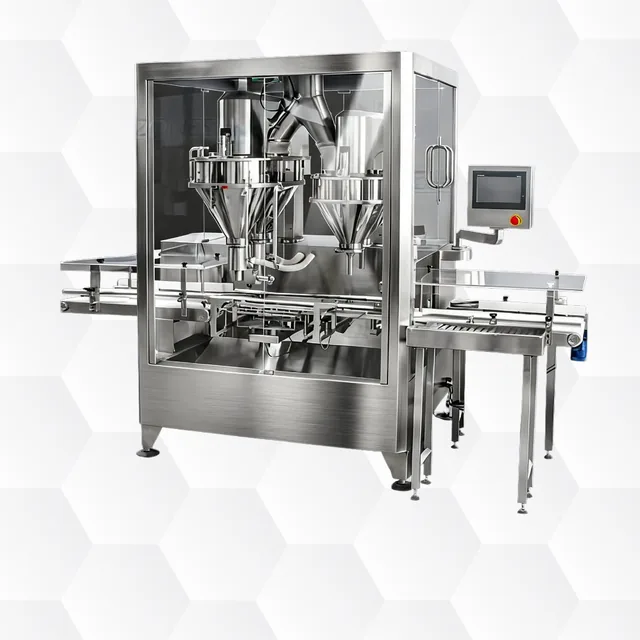
Your production requirement
Bulk density, aeration, flowability, particle size and static can change the way a powder feeds, settles and weighs. An automatic line should account for product supply, dosing, container stability and any settling time before the closure is applied.
Dust control is equally important. Extraction, enclosed transfers, nozzle arrangements and cleaning access can affect the machinery layout, operator environment and label or seal quality downstream.
Line architecture
Dosing technology is combined with controlled handling and a closure route suited to the filled pack.
Deliver powder to the dosing system consistently without segregation or uncontrolled aeration.
Select auger, volumetric, weighing or other methods against product behaviour and target accuracy.
Manage extraction, nozzle enclosure, container cleaning and any dwell needed before closing.
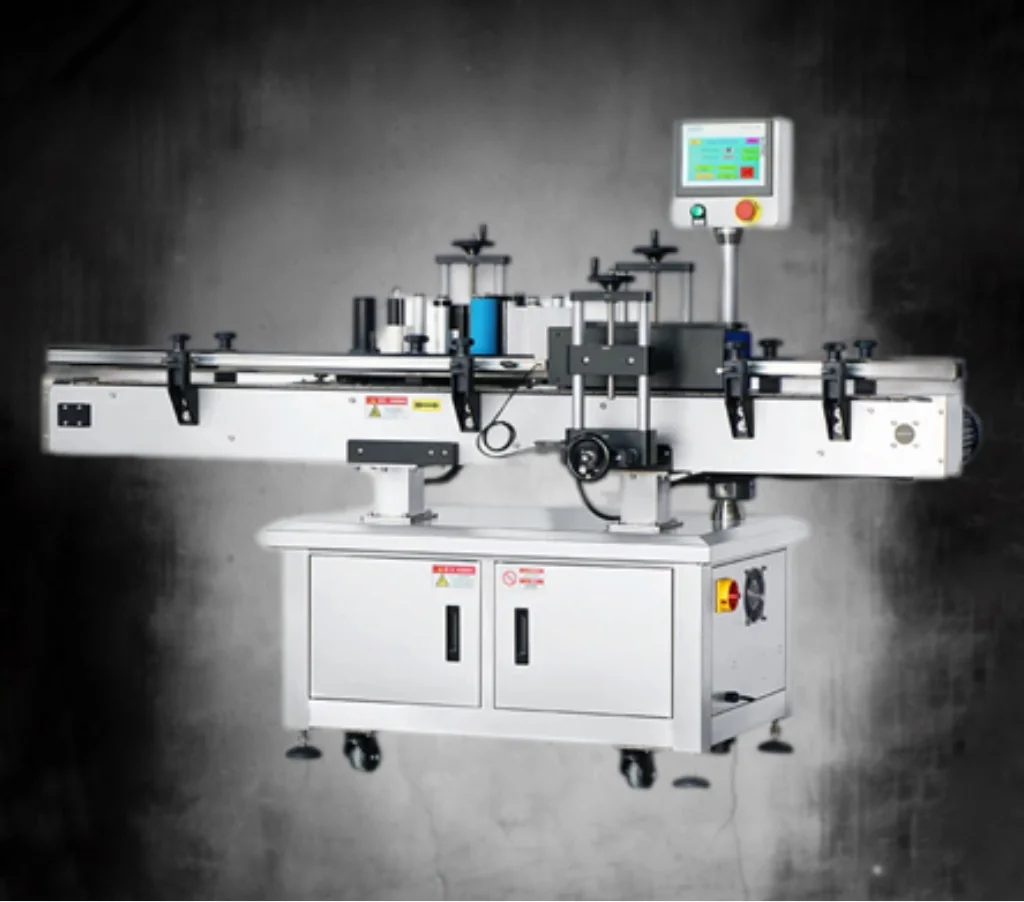
Apply caps, membranes, induction seals, labels and codes to a clean, stable container.
Specification checklist
A representative sample and safety data can expose handling issues before a machine route is selected.
Your project route
Tell us the product, pack formats, output target, shifts, site constraints and future plans.
We review representative product, containers, closures and labels so recommendations are based on real production materials.
You receive a coordinated line concept covering machinery, transfers, controls, guarding, access, utilities and changeovers.
We support installation, integrated testing, settings, operator training and production handover against the agreed scope.
You can plan servicing, critical spares, new formats and future improvements around production risk.
Operational value
Bulk delivery and dosing are considered together to reduce avoidable variation.
Dust capture and rim cleaning can protect seals, caps and label adhesion.
Checkweighing and reject logic can be integrated where verification is required.
Start with your product and production goal
Tell us what you pack, the container and closure, your target output and the space available. We will help you identify the right line sequence and level of automation.
Straight answers
Common routes include auger dosing, volumetric cup systems and weighing. The best choice depends on flowability, density, dose range, speed and accuracy.
Yes. Extraction and containment should be assessed with the product, operator exposure, cleaning method and site system in mind.
Yes. Checkweighing, metal detection or other inspection stages can be considered where appropriate to the product and quality plan.
Yes. Bottle and jar lines can combine powder dosing with rim cleaning, capping or sealing, labelling and coding, provided the pack is suitable.
Next steps
Video
Continue planning with this related automatic-line resource.
Module
Continue planning with this related automatic-line resource.
View coding and sealing systemsIndustry
Continue planning with this related automatic-line resource.
View pharma and nutraceutical linesPowder-line process definition
Powder samples should represent the range seen in production. Bulk density, flow, compaction, particle size, static, moisture sensitivity and segregation can affect feed consistency, dosing, dust release and the time needed before a pack can be sealed or moved.
The line boundary should include how product reaches the dosing hopper and how the hopper level is controlled. A well-selected filler can still be starved or disturbed by an unsuitable transfer method.
| Subject | Define | Effect on the line |
|---|---|---|
| Powder behaviour | Bulk-density range, flow, dust, compaction, moisture and segregation | Feeding, agitation, dosing principle and extraction |
| Bulk transfer | Source, elevation, transfer method, refill frequency and level signals | Hopper design, controls and operator loading |
| Dose and pack | Range, container or pouch, measurement method and settling allowance | Tooling, fill cycle, pack support and downstream timing |
| Containment and cleaning | Dust-control boundary, access, changeover and waste route | Guarding, extraction interfaces and operating procedure |
Project check
A single small sample may not show density variation or segregation across a batch.
Project check
Product feed should maintain hopper condition without over-compacting or aerating the powder.
Project check
Downstream timing and dust extraction may be required before closing or sealing.
Use the related pages to turn this guidance into a clearer scope and a more useful technical discussion.
POWDER LINE BUYER QUESTIONS
Powder behaviour can vary substantially even when products look similar. Reliable selection depends on flow, aeration, dust, bulk-density variation, particle damage, cleaning and how the container is presented to the dosing station.
Powders with similar names can flow, compact, aerate and bridge differently. A representative trial shows how the material feeds, settles, releases from the dosing tool and contaminates sealing or closing areas. The trial should use normal production variation and the intended container so the proposed method is based on observed behaviour rather than a generic powder category.
Inconsistent powder fills may result from bulk-density variation, poor hopper replenishment, aeration, bridging, product build-up, unsuitable tooling, inconsistent container position or a control method that does not match the material. The investigation should separate the dosing variation from later product settling and from the way the filled pack is weighed or checked.
Dust can affect sensors, bearings, electrical enclosures, labels, seals, operator exposure and housekeeping. The design should review containment, extraction interfaces, cleaning access and the product's safety information. Any combustible-dust or hazardous-area question requires an application-specific assessment by competent parties; a general filling-machine description cannot establish suitability.
Provide representative powder from normal batches, bulk-density information if available, flow or dust concerns, fill range, pack samples, closure or sealing method, cleaning expectations, target output and the required check or reject process. Include product safety information and any site zoning or extraction requirements so unsupported assumptions are avoided.