
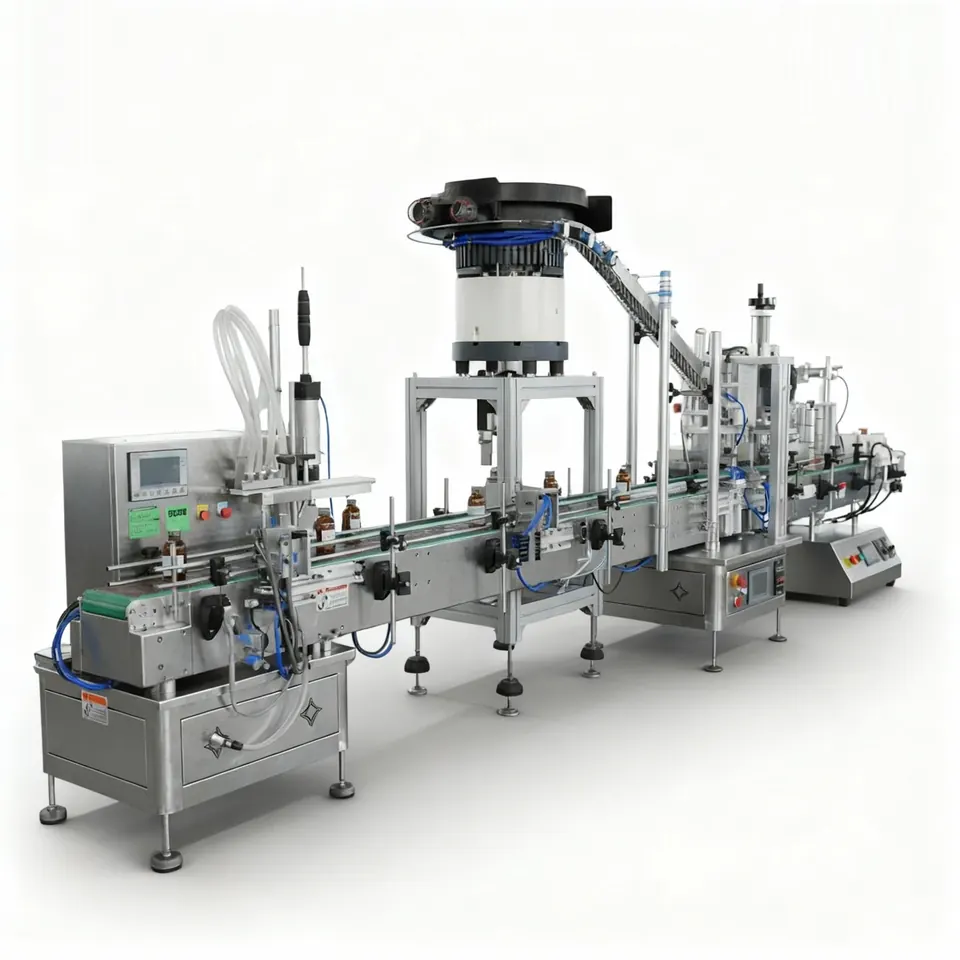
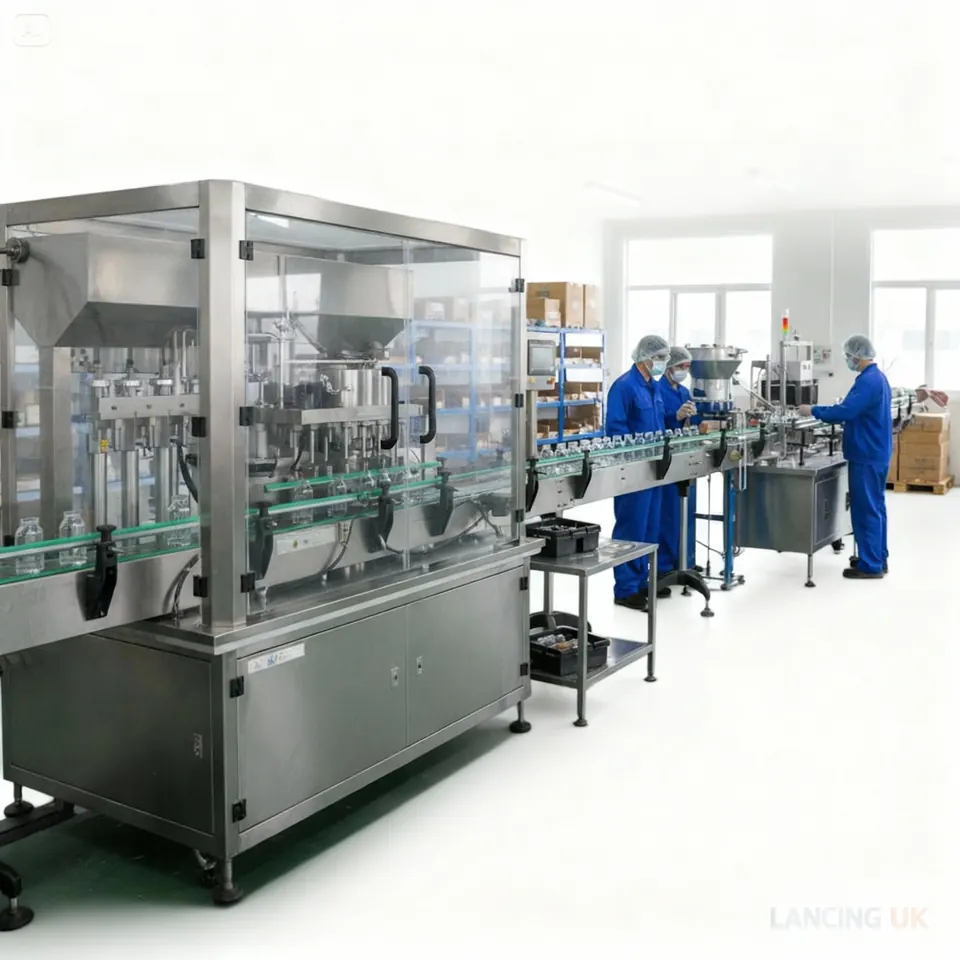
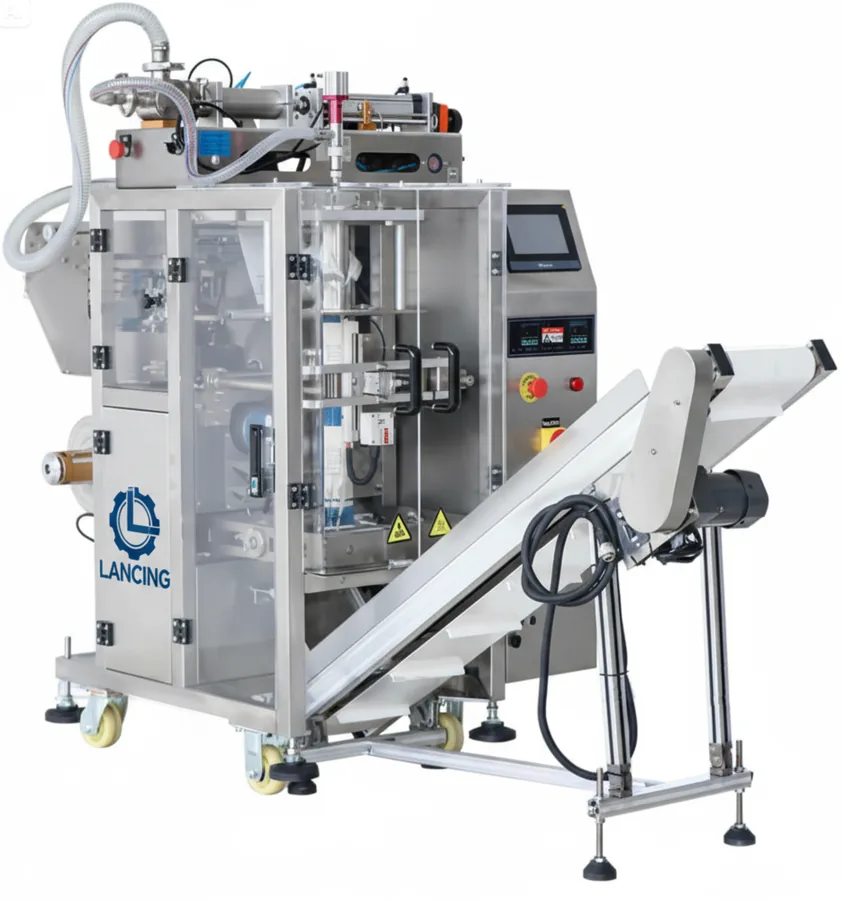
Automatic packaging lines for UK manufacturers

Increase output with a packaging line built for your product

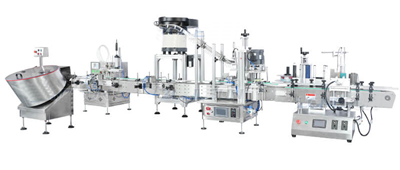
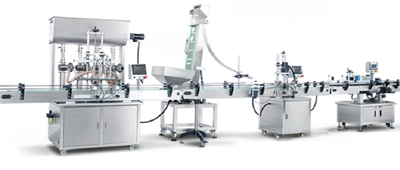
Reduce manual handling, improve pack consistency and reach your target rate with filling, capping, labelling, conveying and end-of-line equipment planned as one complete system.

  • Reach the output your operation needs
  • Reduce avoidable stoppages and manual handling
  • Get UK installation, training and ongoing support
Built around your productYour containers, closures, labels, output and footprint shape the recommendation
One balanced production lineFilling, capping, labelling, conveying and end-of-line are planned together
Support beyond deliveryInstallation, commissioning, training, servicing and spares from a UK team

Automatic line solutions

Choose the result you need from your packaging line

Start with the result you need: more output, less manual handling, better pack consistency or a complete new line. We then narrow the route around your product, packs, space, changeovers and budget.

Automatic filling and packaging machinery

Designed as a system

Get reliable output from the whole line—not just individual machines

Your filler, capper or labeller can only deliver when containers, closures, transfers, buffers and controls work together. We plan the complete sequence around sustained production, access and changeovers.

You receive a line recommendation based on the complete operating sequence—not a collection of disconnected machine brochures—with support through installation, commissioning and aftercare.

  • Machine rates and effective line balance
  • Container, closure and label handling
  • Controls, sensors, rejects and guarding
  • Operator access, cleaning and maintenance
  • Utilities, layout and site constraints
Explore line integration

Line modules

Add the stages your product and process actually need

Keep suitable equipment, replace the real bottleneck and add only the modules needed to reach your production goal.

Industry planning routes

Match the line to your product and sector

Start with your sector to see the product, cleaning, presentation, documentation and quality issues most likely to affect your line.

Project support

Know what happens from first enquiry to production handover

  1. 01

    Share

    Tell us what you pack, your formats, target rate, site constraints and future plans.

  2. 02

    Plan

    Review line options, layout, interfaces, controls, access and responsibilities.

  3. 03

    Prove

    Use representative samples and agreed acceptance criteria to reduce project risk.

  4. 04

    Install

    Prepare the site, commission the line, train operators and hand over production settings.

  5. 05

    Support

    Protect production with servicing, spares, new formats and planned improvements.

Buyer resources

Plan the investment with fewer surprises

Use the buyer guides to compare options, prepare a stronger enquiry and reduce avoidable surprises before you commit capital.

Talk through the requirement

Tell us what you pack and the result you need

Send your product, container, closure, label, target output and available footprint. Representative samples help us give you a more useful recommendation sooner.

Lancing Ltd
Unit 5A Jefferson Way
Thame – Oxfordshire
OX9 3SZ
01494 623015
sales@lancinguk.com

Straight answers

Frequently asked questions

What does Lancing Ltd supply for automatic packaging lines?

Lancing Ltd supplies and integrates filling, capping, labelling, sealing, conveying, rinsing, feeding, coding and end-of-line equipment for complete automatic packaging-line projects.

Can a line be designed around existing machinery?

Yes. Existing equipment can be surveyed and assessed for condition, capacity, controls, dimensions and interfaces before a combined line concept is developed.

Which industries can use an automatic packaging line?

Applications include food and beverage, cosmetics and personal care, chemicals and household products, pharmaceutical and nutraceutical products, and contract packing, subject to the specific process requirements.

What information should I provide for a quotation?

Provide product details, containers, closures, labels, target output, shift pattern, available footprint, utilities, quality requirements and likely future formats.

Automatic line project planning

Define the complete line boundary before comparing machinery

A useful automatic packaging-line proposal starts with one agreed production boundary: where empty packs or bulk product enter, where saleable finished packs leave, and which manual or existing operations remain outside the project. This prevents important interfaces from being treated as assumptions after equipment has been selected.

The brief should describe the sustained result required from the whole line, not only the fastest machine cycle. Product supply, component replenishment, rejects, changeovers, cleaning, short stops and operator tasks all influence the output available at the end of the line.

Automatic packaging-line project definition
DefineQuestions to answerUseful evidence
Production dutyWhich products, packs, formats and batch patterns must the line handle?Representative product and component samples, drawings and a format matrix
Line boundaryWhere does the project start and finish, and which existing assets must remain?A marked-up process flow and measured site layout
PerformanceWhat sustained good output is required and how will rejects or interventions be counted?Shift demand, current production data and agreed acceptance measures
InterfacesWho supplies utilities, guarding interfaces, data connections, product feed and downstream handling?A responsibility matrix with named owners and review dates

Information to prepare

  • Product, container, closure, label and case details
  • Required good output by format and shift
  • Available footprint, access route and utilities
  • Existing machinery, controls and safety interfaces
  • Cleaning, changeover, inspection and data requirements
  • Installation window, training, spares and support expectations

Continue the project

Use the related pages to turn this guidance into a clearer scope and a more useful technical discussion.

For a dedicated acceptance-testing framework, use the Packaging Lines UK FAT and SAT guide; this site remains focused on automatic-line selection and integration.

Additional buyer questions

Project questions to agree before order

What is the best starting point for an automatic packaging-line enquiry?

Start with the product, all required pack formats, sustained good-output target, available space and the operations that must be automated or retained. Representative samples and a measured layout make the first technical review more useful.

How should responsibility for line interfaces be recorded?

List every mechanical, electrical, controls, safety, utility, product-supply and downstream interface, then assign a named owner, required information and approval point. This is more reliable than leaving interfaces inside general quotation notes.

Why is sustained output more useful than individual machine speed?

A line can only deliver saleable packs when every connected stage, material supply and quality check works together. Sustained output accounts for the real sequence, including normal short stops, rejects and replenishment.

From requirement to accepted production

Use decision gates to keep the automatic line scope controlled

An automatic packaging-line project brings product handling, machinery, controls, safety, facilities, quality and operations into one decision path. Stage gates give the buyer and integrator a shared point at which to confirm what is approved, what evidence is still missing and what must not change without review.

The gates below are not fixed calendar durations. They are decision points. A project should only move forward when the information needed for the next stage is controlled, or when any remaining assumption has a named owner, consequence and closure action.

Automatic packaging-line project stage-gate record
Decision gateInputs to controlOutput before progressing
Production caseRequired accepted output by format, shift pattern, present constraint, manual tasks and commercial priorityApproved project objective, line boundary and measures of success
Evidence readinessRepresentative product and components, drawings, measured site information, utilities and existing-equipment dataEvidence index, assumptions register and agreed sample or trial plan
Concept freezeProcess flow, preliminary layout, line balance, buffer purpose, controls approach, safety boundary and interface ownersApproved concept basis for detailed engineering and quotation scope
Build and acceptance releaseControlled format matrix, approved samples, drawings, change procedure, supplied test materials and acceptance methodDocumented build basis and a clear route into factory testing
Site readiness and handoverAccess, services, operators, production materials, surrounding equipment, site tests, training and as-left documentsAccepted production route, recorded open actions and named support ownership

Evidence to keep with the project

  • Approved production duty and format matrix
  • Site layout, access route and utility schedule
  • Interface, safety and controls responsibility records
  • Sample, drawing and trial evidence with revisions
  • Factory and site acceptance records
  • Training, spares, as-left settings and open-action log

Move the project forward with controlled inputs

Use the project brief to collect the operating requirement, then develop interface and site-readiness evidence before detailed engineering is released.

Technical planning library

Resolve the engineering questions that decide whether a line works in production

Use these practical guides to prepare controls, layout, site, trials, acceptance, changeover and safety requirements before machinery is frozen. Each guide links the decision to evidence you can include in an enquiry or project specification.

Use the guides together

Start with the physical layout and site boundary, then define machine interfaces, representative materials and acceptance evidence. Changeover, troubleshooting and safety guidance help expose lifecycle requirements that are often missed by a machine-only quotation.

Turn the answers into a line discussion

Send the completed project information with your product, pack formats, target accepted output and available footprint.

Automatic packaging line decisions

Questions buyers ask before choosing a complete line

Which automatic packaging line decision should be made first?

Define the accepted production result before selecting individual machines. State the product and pack range, required good output, quality checks, available space, operator tasks and site constraints. This gives every later decision a common basis and prevents a convenient machine list from becoming the project definition.

Use the turnkey packaging line answer to define the full boundary.

What makes an automatic packaging line enquiry ready for engineering review?

An enquiry is ready for engineering review when representative products and components, format dimensions, output conditions, layout information and known constraints are available. Unknowns can remain, but they should be identified as decisions requiring a trial, survey or supplier clarification rather than hidden inside assumptions.

How can buyers avoid comparing incomplete packaging line scopes?

Issue one controlled requirement and compare every proposal against the same responsibility matrix. Mark equipment, interfaces, site work, FAT, SAT, installation, training, documentation and exclusions. The quotation comparison checklist gives a practical structure.

Which questions should be resolved before packaging line layout approval?

Resolve the equipment boundary, format envelope, operator and material routes, service access, utilities, guarding zones, accumulation policy and future changes before freezing the layout. Approval should be based on working and maintenance envelopes, not machine footprints alone.

NEW BUYER AND ENGINEERING GUIDANCE

Plan the investment, data, safety and end-of-line scope before machinery is fixed

These guides address project questions that often sit between equipment selection and a successful accepted line.