
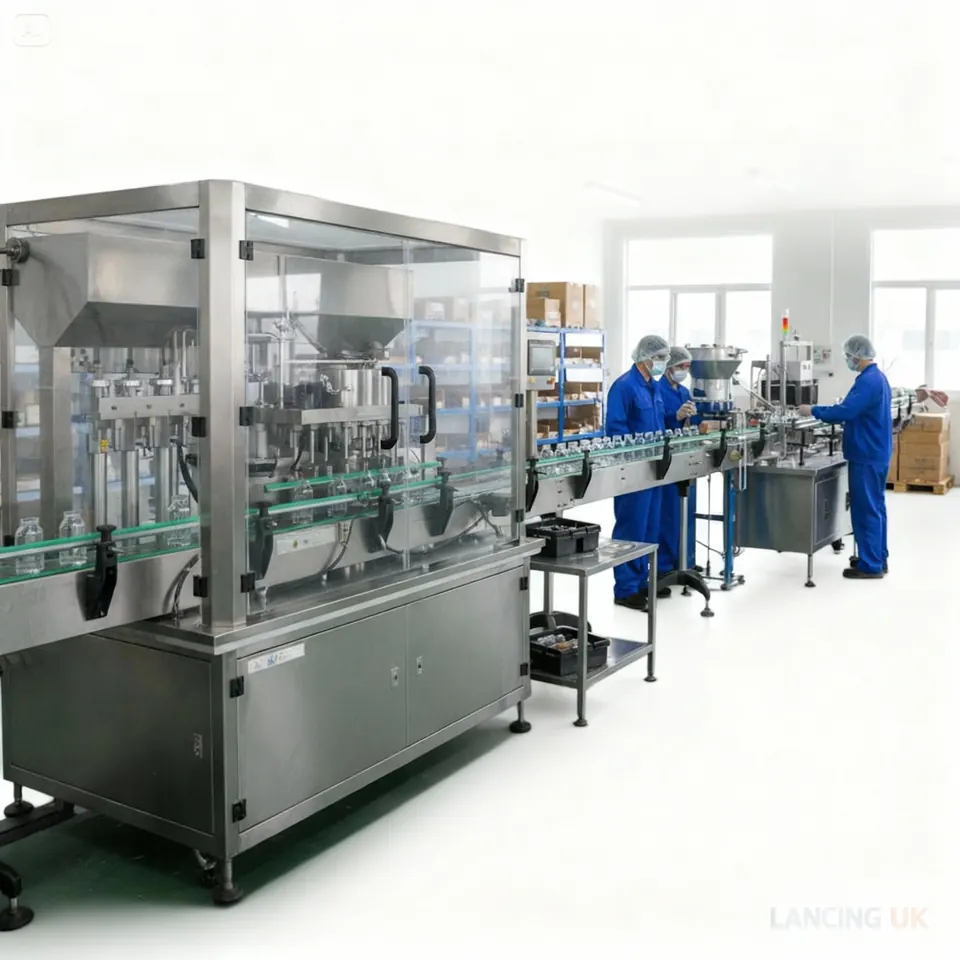
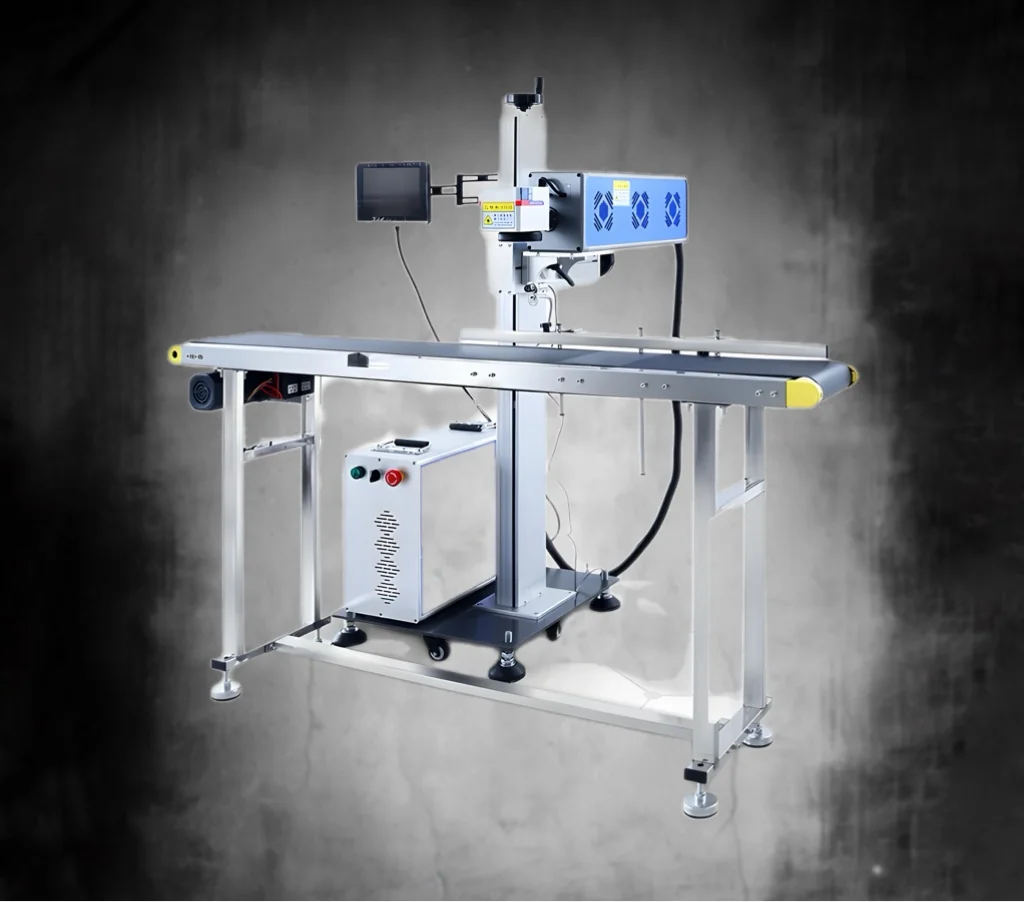
Industrial throughput with controlled line flow

High-Volume Automatic Packaging Lines

Engineer the real sustained production rate, not just the fastest individual machine, using balanced modules, buffers and clear line controls.

  • Application-led specification
  • Connected line engineering
  • UK installation and support
Pro Series high-volume automatic packaging machinery
40+ yearspackaging machinery experience
One production sequenceModules planned as a connected system
Built around your packsProduct, container and closure first
Practical UK supportFrom specification to aftercare

Your production requirement

Sustained output depends on line balance

A high headline speed does not guarantee high finished output. Replenishment, product supply, cap feeding, code changes, rejects, cleaning and small machine stops all influence what the line can sustain across a shift.

High-volume projects benefit from an agreed performance model, clear constraint ownership and accumulation placed around predictable disturbances. Maintainability and fault recovery are designed alongside nominal speed.

Line architecture

Engineering priorities at higher output

As speed rises, small variations and interface delays become more significant.

Rate-balanced modules

Select effective capacities that account for cycle, replenishment and the required recovery margin.

Automated component feed

Supply containers, product, caps, labels and consumables with suitable low-level warning and buffer.

Inspection and rejects

Verify quality attributes without creating uncontrolled gaps or line blockages.

Line supervision

Coordinate status, stop causes, recipes and interfaces through an agreed control philosophy.

Automatic packaging line machinery

Specification checklist

Specify sustained and peak demand separately

Output targets should include shift pattern, efficiency assumptions and the mix of formats actually scheduled.

  • Required good packs per hour and per shift
  • Product change, format change and clean-down frequency
  • Bulk product and packaging-component replenishment plan
  • Planned quality checks, rejects and sample removal
  • Expected operator roles and staffing level
  • Maintenance access, critical spares and recovery strategy

Your project route

What you can expect from first discussion to production

  1. 1

    Share

    Tell us the product, pack formats, output target, shifts, site constraints and future plans.

  2. 2

    Test

    We review representative product, containers, closures and labels so recommendations are based on real production materials.

  3. 3

    Plan

    You receive a coordinated line concept covering machinery, transfers, controls, guarding, access, utilities and changeovers.

  4. 4

    Install

    We support installation, integrated testing, settings, operator training and production handover against the agreed scope.

  5. 5

    Support

    You can plan servicing, critical spares, new formats and future improvements around production risk.

Operational value

Production capacity designed at line level

Realistic throughput

The line target reflects expected operating conditions rather than summed nameplate speeds.

Visible constraints

Controls and data can help teams distinguish upstream starvation, downstream blockage and machine faults.

Maintainable automation

Access and recovery are considered so higher speed does not create longer stoppages.

Start with your product and production goal

Get a packaging line recommendation for your operation

Tell us what you pack, the container and closure, your target output and the space available. We will help you identify the right line sequence and level of automation.

Straight answers

Frequently asked questions

What makes a packaging line high volume?

There is no single threshold. It is a project where sustained output, automated feeding, line balance and recovery from short stops materially shape the design.

Should every machine have the same rated speed?

Not necessarily. Effective capacity, cycle pattern, buffer strategy and recovery margin matter more than matching headline numbers exactly.

How is the bottleneck identified?

Review cycle data, changeovers, replenishment, quality checks and expected stops across the full sequence. The constraint may shift between formats.

Can production data be captured?

Line status, counts and stop reasons can often be captured, depending on the control architecture and reporting scope agreed for the project.

Next steps

High-output line evidence

Separate peak cycle rate from sustainable good-pack output

Higher-output projects need a rate hierarchy that everyone interprets the same way. Component feed rate, machine cycle rate, short-term peak rate and sustained saleable output are different measures. The commercial requirement should identify the good packs needed over a defined production period and the operating assumptions behind that figure.

Buffers and automated feeding can reduce the effect of short disturbances, but they do not correct a permanently undersized process. Constraint analysis should therefore include replenishment, inspection, rejects, case packing, cleaning and changeover as well as the headline machinery rates.

High-output packaging-line rate hierarchy
Rate or lossDefinitionUse in design
Machine cycle rateMaximum mechanical cycle under stated conditionsInitial module sizing only
Effective module rateExpected rate with the approved product and normal machine functionsLine balance and feeder sizing
Sustained good outputAccepted packs delivered over a defined run or shiftBusiness capacity and acceptance target
Loss patternStarved, blocked, fault, reject, changeover and replenishment timeBuffer location, controls response and improvement priorities

Information to prepare

  • Demand by format and shift
  • Effective rates for every connected stage
  • Component refill frequency and autonomy
  • Buffer purpose and required recovery
  • Inspection, reject and packing capacity
  • OEE definitions and acceptance run conditions

Continue the project

Use the related pages to turn this guidance into a clearer scope and a more useful technical discussion.

Additional buyer questions

Project questions to agree before order

What output figure should be used for a high-volume line specification?

Use sustained accepted packs over a defined operating period, with the product, format, staffing, replenishment, quality checks and permitted interventions stated. Keep peak machine cycle rate as a separate figure.

Does more accumulation always improve output?

No. Accumulation helps only when it is positioned and sized for a defined disturbance. It can add pressure, footprint and recovery complexity, and it cannot compensate for a permanently slower downstream stage.

What data is useful during high-output line acceptance?

Good-pack counts, reject counts, stop duration and reason, starved and blocked states, interventions, component replenishment and the production conditions used during the run.

Capacity evidence for higher-output lines

Prove the capacity chain under normal replenishment and recovery

A high-volume packaging line needs a hierarchy of rate definitions. A component feeder may present parts quickly, a machine may achieve a short cycle rate and the complete line may still deliver a different sustained accepted output once replenishment, quality checks, short stops and end-of-line handling are included.

Define each figure before comparing equipment. Then test the complete capacity chain under the material supply, operator tasks, format and recovery conditions that represent production rather than relying on a single uninterrupted burst.

Rate hierarchy for a high-volume automatic packaging line
Rate or capacity figureDefinition to agreeEvidence and use
Component-feed capabilityUsable containers, closures, labels or cases delivered in the correct orientation and conditionShows whether bulk supply and replenishment can support the line without becoming the hidden constraint
Machine cycle capabilityMaximum or reference cycle under a named product, format and operating conditionUseful for equipment design, but not a substitute for complete-line output
Constrained effective rateExpected rate after format-specific cycle, inspection, transfer and connected-machine limits are consideredSupports line balance, accumulation and downstream capacity decisions
Sustained accepted outputGood packs counted at the agreed line endpoint over a defined production-representative runPrimary evidence for whether the integrated sequence meets the operating requirement
Shift capacityAccepted output after the agreed planned time, changeovers, cleaning, replenishment and normal operating lossesConnects technical performance with the manufacturer’s production and labour plan

Conditions to record with a capacity result

  • Product, pack and format revision
  • Good-count point and reject definition
  • Reference rate and active recipe
  • Run duration and planned interventions
  • Material replenishment and staffing method
  • Stops, first causes and recovery time
  • Downstream packing and removal condition

Use the result to improve the complete line

Connect capacity evidence to the loss hierarchy and buffer policy so improvement work targets the actual constraint rather than the fastest visible machine.

Performance evidence

Prove sustained accepted output under the agreed operating conditions

High nominal machine rates do not prove line performance. Define the accepted count point, format, product condition, normal replenishment, quality checks, permitted interventions and treatment of short stops before comparing or accepting a high-output line.

High-output questions

Questions buyers ask about sustained packaging line output

How should short stops be included in packaging line capacity planning?

Record their frequency, duration, first cause and recovery effect, then model the useful buffer and operator response. Repeated short stops can reduce sustained output even when no single event looks significant. Do not remove them from the capacity basis without evidence.

Why can faster upstream equipment reduce line stability?

Excess upstream speed can create back-pressure, frequent start-stop cycles or overloaded accumulation when downstream demand is lower or variable. The correct approach is controlled headroom and coordinated starved/blocked logic, not simply maximising every local speed.

What information is needed to validate the packaging line bottleneck?

Use time-based data for each line state, good counts at agreed points, reject causes, replenishment events and first-cause stops across representative formats. A rated-speed comparison alone will not identify reliability or operator constraints.

How should a sustained packaging line output run be structured?

Agree the format, materials, staffing, run duration, replenishment, permitted interventions, quality criteria and count points before the run. Record stops and approved exclusions. The output-requirement guide gives the full framework.

DOWNSTREAM CAPACITY

Include pallet or case exchange in the high-volume line balance

At higher outputs, the downstream constraint can be the case, pallet, wrapping or removal sequence rather than the primary packaging machinery. Model the complete cycle and the accumulation available during exchange, recovery and replenishment.

See robotic case packing and palletising integration for the product, tooling, layout and acceptance inputs.