Product and container control
Present clean containers and manage product contact, containment and line-clearance needs.

Controlled dosing and pack identification
Plan filling, closing, labelling, coding and inspection around the product, quality system and documented acceptance criteria for the specific project.
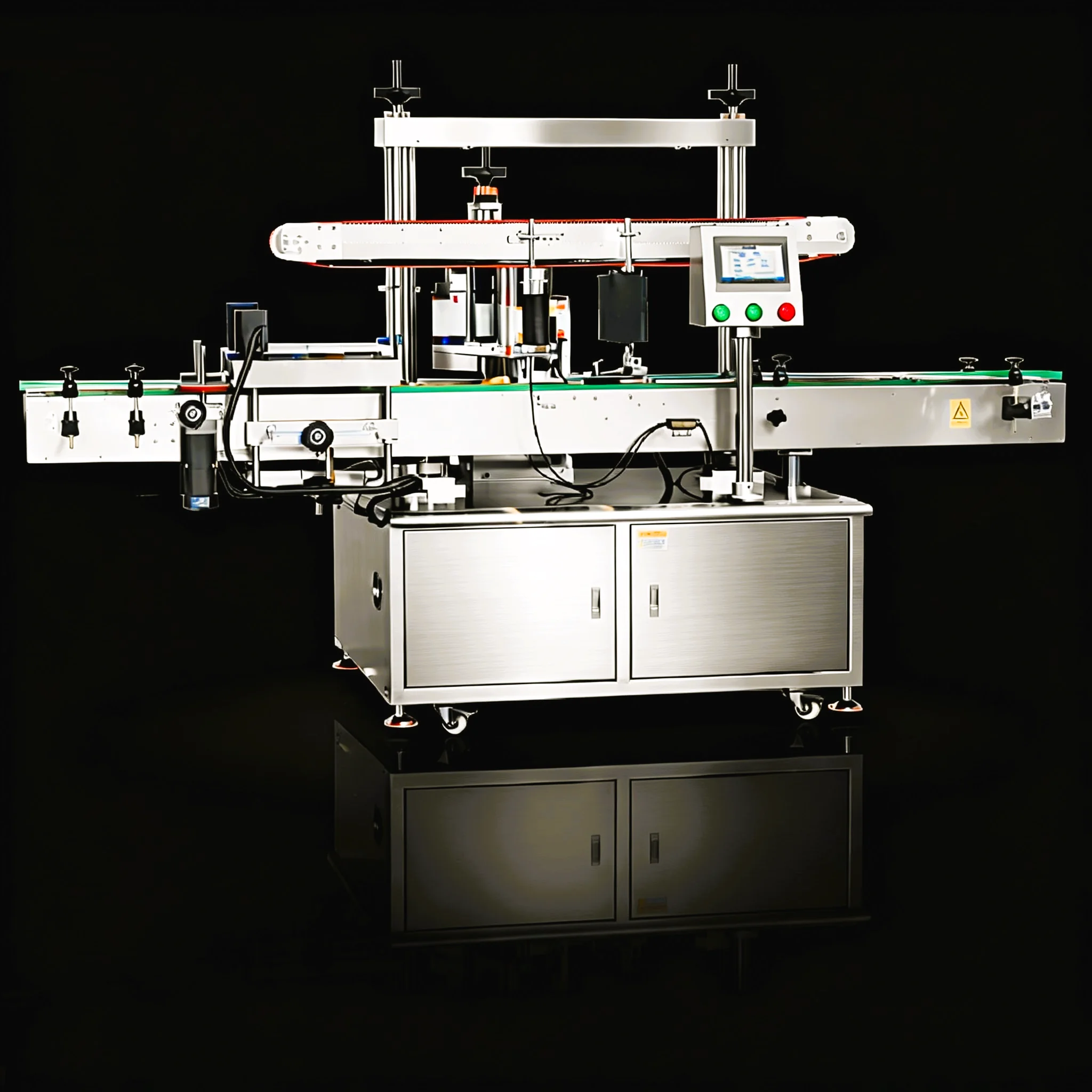
Your production requirement
Pharmaceutical and nutraceutical projects may place particular emphasis on dose control, product containment, cleanability, line clearance, coding and inspection. The applicable regulatory and validation responsibilities must be defined by the project owner.
The machinery can then be assessed against a user requirement specification, with agreed documentation, materials, controls and test protocols included in the commercial scope rather than assumed.
Line architecture
The line architecture supports the approved process and quality plan for the particular product.
Present clean containers and manage product contact, containment and line-clearance needs.
Select liquid, powder, tablet or other dosing arrangements against the approved requirement.
Apply caps, plugs, induction seals or tamper features and verify agreed attributes.
Apply labels and variable data, then inspect and reject according to defined rules.
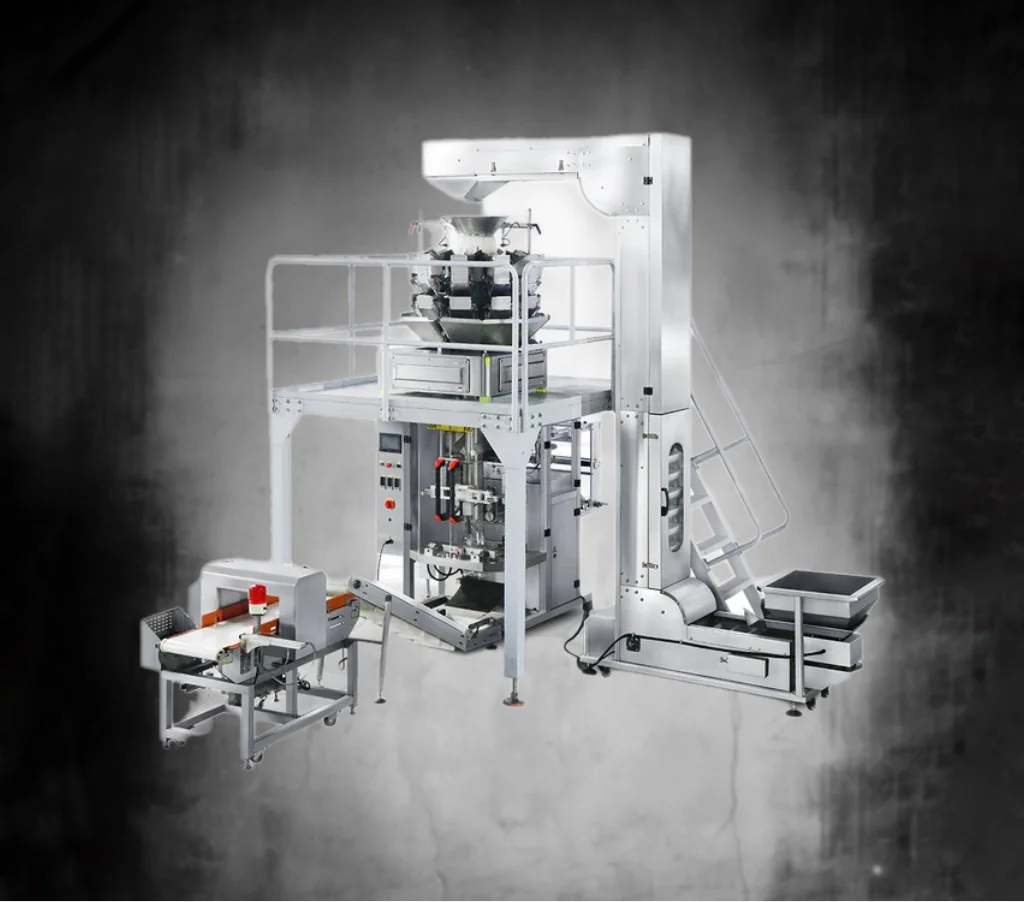
Specification checklist
Compliance is project-specific and should be supported by clear acceptance criteria and responsibility boundaries.
Your project route
Tell us the product, pack formats, output target, shifts, site constraints and future plans.
We review representative product, containers, closures and labels so recommendations are based on real production materials.
You receive a coordinated line concept covering machinery, transfers, controls, guarding, access, utilities and changeovers.
We support installation, integrated testing, settings, operator training and production handover against the agreed scope.
You can plan servicing, critical spares, new formats and future improvements around production risk.
Operational value
Performance and quality checks are agreed in measurable project documentation.
Coding, label and inspection functions are placed within a clear line sequence.
Supplier tests, site acceptance and customer validation duties are distinguished.
Start with your product and production goal
Tell us what you pack, the container and closure, your target output and the space available. We will help you identify the right line sequence and level of automation.
Straight answers
No. Suitability and compliance depend on the product, jurisdiction, intended use, user requirement, documentation and validation plan for the specific project.
Yes, where appropriate. The attributes, tolerances, reject route and test method should be defined in the user requirement.
Project documentation and test protocols can be discussed and included in the agreed scope. Requirements should be defined before quotation.
Yes in suitable applications, using a dosing and containment route matched to powder behaviour, dose, container, closure and quality requirements.
Next steps
Solution
Continue planning with this related automatic-line resource.
View powder filling linesModule
Continue planning with this related automatic-line resource.
View coding and sealingService
Continue planning with this related automatic-line resource.
View installation and commissioningDocumented requirement and evidence
Pharmaceutical and nutraceutical projects should begin with an approved user requirement or equivalent controlled brief. It should state the required process, products, formats, quality checks, data, documentation, access controls and acceptance evidence without assuming that every function belongs inside the machinery supply.
The project responsibility matrix should identify who owns validation strategy, calibration, test methods, production records, data retention, cleaning approval and final release. Equipment documentation can support those activities but does not replace the customer’s quality system.
| Requirement area | Define | Evidence route |
|---|---|---|
| Product and dose | Product form, range, control method and sampling requirement | Approved test method and representative production materials |
| Pack and closure | Component specification, seal or torque requirement and approved suppliers | Format matrix, drawings and incoming component controls |
| Data and access | Users, recipes, audit needs, code source and retained records | Functional specification and witnessed challenge tests |
| Documentation | Drawings, manuals, certificates, calibration and test records required | Document schedule with review and approval responsibility |
Project check
Each critical requirement should identify how and where it will be demonstrated.
Project check
Define software, recipe, format and document change ownership after handover.
Project check
Acceptance evidence is only meaningful when the measurement method and sample plan are agreed.
Use the related pages to turn this guidance into a clearer scope and a more useful technical discussion.
QUALIFICATION PLANNING
Regulated users should define the User Requirement Specification, intended use, quality-critical functions, data requirements and qualification strategy within their own quality system. Supplier drawings, records and protocols can support that work, but the quotation should state exactly what is supplied, reviewed, executed and approved.
| Question | Why it matters |
|---|---|
| Which products and formats are in scope? | Determines challenge conditions, recipes and representative samples |
| Which functions affect product quality or records? | Defines the depth of traceability, testing and documentation |
| What evidence is expected from the supplier? | Prevents generic document lists from being mistaken for an approved qualification package |
| Who owns execution and approval? | Separates machinery acceptance from user qualification and process validation |
Review the packaging line IQ, OQ and PQ guide before requesting a regulated-project quotation.