
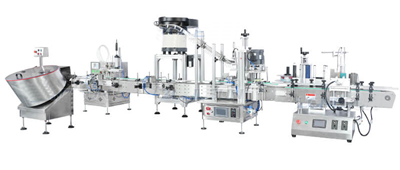
Complete automatic line solutions

Automatic Packaging Lines Engineered Around Your Production

Bring filling, capping, labelling, conveying, inspection, coding and end-of-line operations together as one controlled production system.

  • Application-led specification
  • Connected line engineering
  • UK installation and support
Compact automatic bottling and packaging line
40+ yearspackaging machinery experience
One production sequenceModules planned as a connected system
Built around your packsProduct, container and closure first
Practical UK supportFrom specification to aftercare

Your production requirement

A complete line is more than a row of machines

An automatic packaging line must move every pack reliably through a defined sequence. The individual machines matter, but so do the transfers, accumulation, sensors, controls, guarding, access and changeovers between them.

Lancing Ltd helps production teams turn a product and pack requirement into a connected line concept. The aim is to select compatible modules, expose likely bottlenecks early and create a layout that operators can run, clean and maintain in day-to-day production.

Line architecture

Core stages in an automatic packaging line

The exact sequence depends on the product and pack, but most projects combine four connected functions.

Prepare and feed

Orient, rinse or present empty containers and closures at a controlled rate before filling.

Dose and fill

Match the filling principle to liquid, paste, powder or granule behaviour and the accuracy target.

Close and identify

Apply caps or seals, then label and code the finished pack with stable handling.

Collate and dispatch

Accumulate, inspect, shrink-wrap, case-pack or transfer products into the next operation.

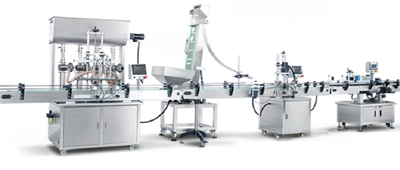
Integrated filling, capping and labelling line

Specification checklist

Define the complete production envelope

Specify the range the line must handle, not only the first product scheduled to run.

  • Minimum, normal and maximum container dimensions
  • Product characteristics, temperature and clean-down method
  • Closure type, torque or sealing requirement and cap-feed route
  • Label format, position, coding data and inspection points
  • Output target by pack, shift and changeover pattern
  • Utilities, access, guarding, floor loading and future expansion space

Your project route

What you can expect from first discussion to production

  1. 1

    Share

    Tell us the product, pack formats, output target, shifts, site constraints and future plans.

  2. 2

    Test

    We review representative product, containers, closures and labels so recommendations are based on real production materials.

  3. 3

    Plan

    You receive a coordinated line concept covering machinery, transfers, controls, guarding, access, utilities and changeovers.

  4. 4

    Install

    We support installation, integrated testing, settings, operator training and production handover against the agreed scope.

  5. 5

    Support

    You can plan servicing, critical spares, new formats and future improvements around production risk.

Operational value

What good line integration is designed to achieve

Stable flow

Balanced machine rates and sensible accumulation help avoid one small interruption stopping the whole line.

Repeatable formats

Recorded settings and considered change parts make product and pack changes easier to control.

Clear ownership

A defined line scope reduces interface gaps between filling, capping, labelling and conveying equipment.

Start with your product and production goal

Get a packaging line recommendation for your operation

Tell us what you pack, the container and closure, your target output and the space available. We will help you identify the right line sequence and level of automation.

Straight answers

Frequently asked questions

What equipment can an automatic packaging line include?

A line can include container feeding or rinsing, filling, capping, sealing, labelling, coding, inspection, conveying, accumulation and end-of-line packing. The correct sequence depends on the product and pack format.

Can a line be built around existing machinery?

Yes. Existing equipment can be assessed for speed, controls, height, product flow and physical interfaces before new modules and conveyors are specified around it.

How do I start an automatic line enquiry?

Provide product details, pack and closure samples, target output, current process, available footprint, utilities and any hygiene or hazardous-area requirements.

Do you support installation and commissioning?

Lancing Ltd can support installation, commissioning, operator handover, spares planning and ongoing machinery support as part of the agreed project scope.

Next steps

Engineering the automatic line as one system

Set the operating philosophy, interfaces and acceptance route

A complete automatic packaging line needs one operating philosophy across its modules. Each machine may have its own controls, but the line still requires agreed rules for starting, stopping, starvation, blockage, faults, rejects, product change and safe restart.

The practical specification should also state who owns each interface. Product supply, bulk cap loading, label data, coding messages, reject disposal, compressed air, power, extraction and finished-pack removal can all sit outside an equipment supplier’s boundary unless they are explicitly included.

Automatic-line interface responsibility matrix
InterfaceDefine before orderAcceptance evidence
Mechanical transferWorking height, pack control, guide adjustment and transfer ownershipRepresentative packs pass without damage, tipping or uncontrolled gaps
Controls handshakeReady, run, starved, blocked, fault and reset behaviourWitnessed state changes and recovery from agreed stop scenarios
Safety boundaryGuarding limits, emergency-stop zones, interlocks and restart principlesRecorded functional checks against the agreed risk-control design
Quality and dataInspection result, reject confirmation, code source and production countsDemonstrated pass/fail response and agreed data records

Information to prepare

  • One approved process flow and line layout
  • Machine and line state definitions
  • Format matrix with representative components
  • Utility and site-interface schedule
  • Factory and site acceptance responsibilities
  • Handover documents, training and critical spares

Continue the project

Use the related pages to turn this guidance into a clearer scope and a more useful technical discussion.

Detailed individual-machine ranges are maintained on Packaging Automation UK; this page concentrates on how those stages operate as one automatic line.

Additional buyer questions

Project questions to agree before order

What should an automatic packaging-line controls specification include?

It should define machine states, upstream and downstream permissives, fault and reset behaviour, recipe ownership, inspection and reject responses, alarm information and any required production-data connection.

Who is responsible for interfaces between machines?

Responsibility must be agreed in the project scope. A useful matrix names the party responsible for mechanical transfers, electrical supplies, controls signals, safety zones, utilities, product supply and downstream equipment.

When should acceptance criteria be agreed?

Agree the criteria before manufacture is complete and preferably before order. That gives the supplier and buyer the same definition of representative materials, test conditions, permitted interventions and evidence required for handover.

Line-level controls definition

Write the line-control narrative around expected production events

A connected line needs more than a list of I/O signals. The control narrative should explain what operators see and what each module does when production starts normally, materials run low, a downstream machine blocks, an inspection fails, a fault occurs or a format is changed.

This narrative sits above individual machine software. It gives the engineering team one approved description of line behaviour, helps prevent contradictory local responses and provides practical scenarios for controls testing, factory acceptance and site commissioning.

Events to define in an automatic packaging-line control narrative
Line eventBehaviour to agreeEvidence before handover
Normal start and runStart permission, warning sequence, direction of start, product release and confirmation that downstream capacity is availableWitnessed start from a defined safe and production-ready condition
Upstream starvedWhich modules continue, controlled emptying, timer or sensor logic, restart permissive and whether pack tracking is retainedDemonstrated recovery without uncontrolled gaps, duplicate dosing or lost pack identity
Downstream blockedWhere product stops, how accumulation is used, when upstream modules pause and how pressure or pack damage is preventedAgreed blocked scenario completed with stable packs and a controlled restart
Quality failure or rejectInspection result, pack tracking, reject command, reject confirmation, line response to a full reject bin or failed rejectPass and fail challenges with confirmed containment and count handling
Fault or protective stopFirst-cause alarm, stored line state, reset authority, restart conditions and treatment of packs inside each machineRecorded fault-and-recovery tests for the scenarios named in the acceptance plan
Recipe or format changeRecipe ownership, compatible machine settings, mechanical change parts, clearance checks and prevention of mixed formatsControlled change between agreed formats with correct settings and identification

Acceptance scenarios to prepare

  • Cold start with all modules ready
  • Loss and restoration of upstream product
  • Short and extended downstream blockage
  • Inspection pass, reject and reject-system fault
  • Machine fault with packs retained in the line
  • Safety stop, clearance, reset and controlled restart
  • Recipe selection and agreed format change

Connect controls evidence to the project scope

Use the integration page to assign each signal and safety boundary, then carry the agreed scenarios into the specification and acceptance records.

Turnkey line scope

Define one accepted production system from infeed to finished pack

A turnkey packaging line is useful only when the commercial boundary, machine interfaces, site work and acceptance evidence are explicit. The project scope should show what Lancing, the buyer and any retained-equipment suppliers each provide.

Complete automatic line scope map
Scope layerDecision to recordSupporting guide
Process and formatsProducts, containers, closures, labels, cases and accepted-output requirementSamples and trials
Physical systemLine sequence, working envelope, transfers, accumulation and future spaceLayout planning
ControlsLine states, handshakes, recipes, alarms, rejects and data boundariesControls architecture
SiteAccess, floor, utilities, retained machinery and installation responsibilitiesSite readiness
AcceptanceTest conditions, pass rules, records, training and final handoverFAT and SAT readiness
LifecycleSafe changeover, cleaning, maintenance, troubleshooting and supportChangeover and cleaning

Complete line questions

Questions buyers ask when defining an automatic packaging line

Should an automatic packaging line be specified as one contract or several packages?

Either route can work when integration responsibility is explicit. One contract can simplify accountability; several packages can retain specialist choice. In both cases, assign ownership for layout, transfers, controls, safety interfaces, testing and overall acceptance. The integrator-role guide explains the boundary.

How much design margin should be allowed in an automatic line?

Allow enough effective capacity and buffer to manage normal variation without creating unnecessary complexity. Margin should be based on real format behaviour, replenishment, short stops and future requirements. It is not a universal percentage and should not be used to hide an undefined output target.

What should happen when one packaging line module stops?

The line should follow an agreed starved, blocked, hold or controlled-stop response that protects product and permits safe recovery. The response depends on process dwell, accumulation, pack stability and quality risk. Define first-cause alarms and restart conditions before testing.

How should future formats be considered without overcomplicating the first line?

Include future formats only where their dimensions, components and process requirements are sufficiently known. Design sensible access, controls capacity and connection points, but avoid compromising the current duty for a hypothetical range. Use the multi-format planning guide.

Whole-line readiness

Plan production data, maintenance and spares before the line is accepted

A complete automatic packaging line should be handed over as an operable and supportable system, not only as machinery that completed a short production run.

Before order, define which production counts, line states, alarms and reject events need to be available at machine, line or site level. Agree the count points and ownership of each value so that later OEE or production reports do not combine incompatible definitions. The data requirement should be linked to a practical decision: proving accepted output, identifying the first cause of stops, reconciling rejects or supporting maintenance.

At the same time, identify the assets that can stop the whole sequence and decide how they will be maintained. A small sensor, format part, drive, control component or software backup may be more critical than a larger mechanical assembly if there is no safe workaround. The critical-spares decision therefore depends on failure consequence, lead-time exposure, installed redundancy and the ability to diagnose and replace the item safely.

These subjects belong in the project scope because they affect controls design, documentation, training and acceptance evidence. They are harder and more expensive to reconstruct after site handover.

Whole-life information to define with the line
AreaDecision to record
Production reportingGood-count point, reject count, line states, first-cause stops and required reporting destination
Controls recordsPLC, HMI and drive backups, software versions, access ownership and restore procedure
MaintenanceSafe access, isolation boundary, manufacturer tasks and site responsibility
Critical sparesFailure consequence, sourcing route, approved substitute and storage requirement
HandoverManuals, drawings, settings, training records, open actions and acceptance evidence

Packaging Line Project Responsibility Matrix explains the project decisions, evidence and responsibilities that should be resolved before the relevant line scope is accepted.

PROJECT READINESS

Connect engineering scope to the investment and acceptance decision

A complete automatic packaging line proposal is easier to compare when the production result, capital case, quality evidence, safety boundary and end-of-line handover use the same project definitions.