
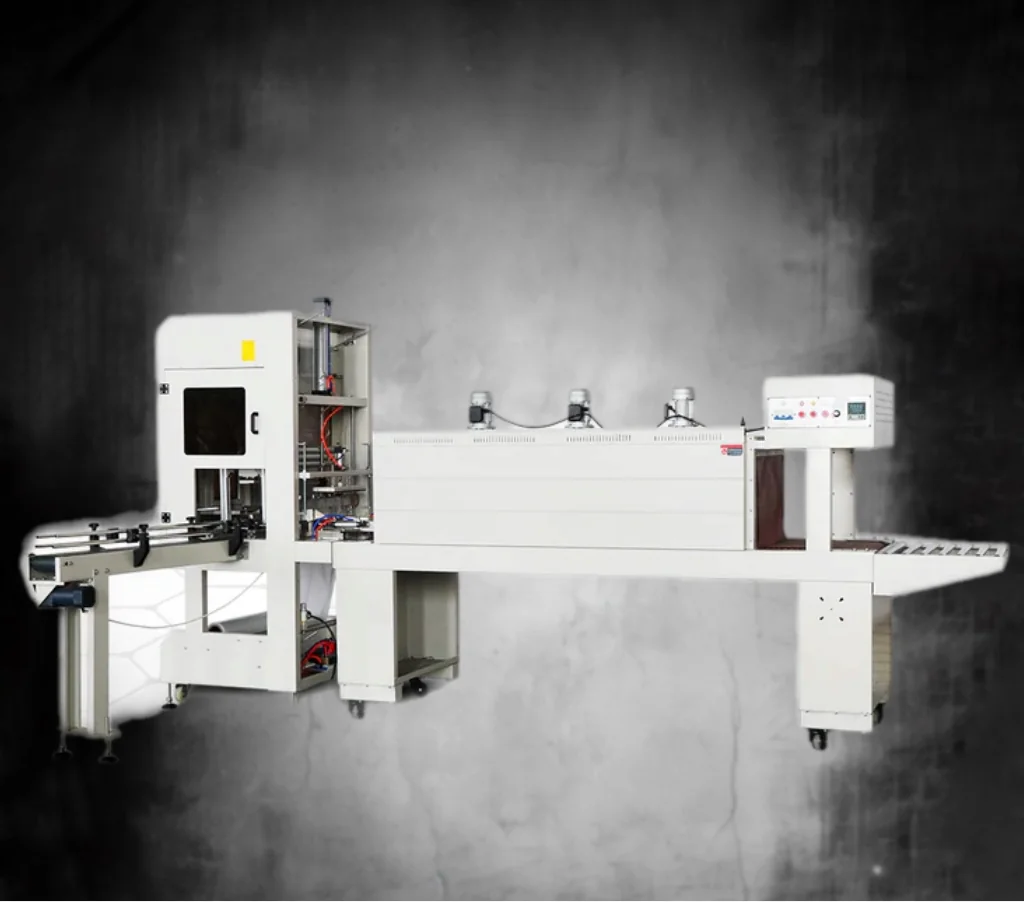
Build a supportable automatic packaging line by linking planned maintenance, safe intervention, software backups, obsolescence and critical spares to the real production risk.
1. Treat maintenance as a complete-line responsibility
An automatic packaging line is a chain of dependent machines, conveyors, sensors, safety functions, controls and utilities. A maintenance task on one module can change the timing, guarding, product flow or software behaviour seen by the rest of the line. Plan the work at line level, identify the affected operating boundary and confirm how the line will be returned to its accepted condition.
The maintenance plan should start from the manufacturer’s instructions and the customer’s competent risk assessment. It can then be refined using actual duty, environment, product residue, washdown, dust, vibration, fault history and inspection evidence. Avoid copying one interval across every machine when the tasks and consequences are different.
2. Build an asset and dependency register
Record each machine, conveyor, feeder, inspection device and line-level control component together with its manufacturer, model or part identity, location, software or firmware dependency and support route. The register should show which items are common across the line and which are unique to one format or process.
| Field | Purpose |
|---|---|
| Asset and location | Allows the exact installed item to be identified without relying on informal names |
| Production dependency | Shows whether failure stops one module, one format or the complete line |
| Safety or quality function | Flags changes that need competent review and documented verification |
| Configuration dependency | Links hardware to PLC, HMI, drive, vision or coder backups |
| Approved source | Records supplier, part number, substitute status and lead-time exposure |
3. Separate spare types and assess criticality
Group spares by how they are used rather than placing every item in one list. Normal wear parts, format parts, programmed controls components, safety-related devices and long-lead assemblies need different storage, identification and change-control arrangements.
Assess criticality using the consequence of failure, the likelihood of detection before failure, the availability of a safe workaround, installed redundancy, replacement lead time and the competence needed to fit and prove the part. An inexpensive sensor can be production-critical when the line cannot run without it and no approved substitute is available.
| Category | Examples | Control needed |
|---|---|---|
| Wear and consumable | Belts, seals, blades, filters and contact items | Condition check, shelf life and replacement history |
| Format and product contact | Guides, stars, change parts and nozzles | Format identity, drawing revision and clean storage |
| Programmed controls | PLC, HMI, drive, vision and coder hardware | Exact version, licence, parameters and tested backup |
| Safety related | Interlocks, safety relays and monitored devices | Approved specification and competent verification after replacement |
| Long lead or obsolete | Unique assemblies and discontinued electronics | Migration plan, approved substitute and acceptance test |
4. Plan safe access, isolation and return to service
Maintenance, cleaning and blockage clearance can expose people to movement, stored energy, pressure, heat, product or electrical hazards. The site must define competent procedures for isolation, lock-off, release of stored energy, access and controlled restart. The required method depends on the actual line and task.
The Health and Safety Executive’s maintenance of work equipment guidance explains that work equipment should be maintained in an efficient state, maintenance should be planned and equipment should be made safe before work starts. The HSE’s PUWER overview also summarises duties relating to suitability, maintenance, inspection, information, training and protective measures.
5. Protect software, settings and obsolescence routes
Maintain controlled backups for PLCs, HMIs, drives, vision systems, coders, checkweighers and line-level reporting components where applicable. Record the installed hardware variant, firmware or software version, licence dependency, network settings and the method used to prove a restore.
Review obsolete components before failure forces an emergency migration. An approved replacement may need electrical, mechanical, network, software and safety changes. Plan the engineering review, installation window and test evidence rather than assuming a newer part is a direct substitute.
6. Use maintenance evidence to improve the plan
Keep task records, inspection findings, replaced parts, first-cause fault evidence and changes to intervals or methods. This creates a defensible basis for reviewing the plan and helps distinguish recurring process problems from component deterioration.
- Record the operating state, alarm and first cause before resetting a fault.
- Link replaced items to the exact asset and reason for replacement.
- Record any parameter, software or wiring change through the site’s change process.
- Confirm guards, safety functions, sensors and quality checks before returning the line to production.
- Update drawings, backups and the critical-spares list after an approved change.
7. Information to prepare for a support and spares review
- Current machine and line asset register
- Electrical drawings, manuals and installed software backups
- Fault history with photographs, alarm text and operating state
- Product, format and change-part details
- Current spare stock and any known obsolete items
- Site access, isolation and production-window restrictions
- Required service scope, evidence and handover expectations
For the connected reporting side of lifecycle support, continue with the packaging line data-integration guide. For an existing line that needs improvement, review packaging line retrofits and upgrades.