Compatible product path
Assess wetted materials, seals, pipework, pumps and connections against the product data.

Chemical and household production
Develop filling, capping, labelling and handling around product compatibility, operator protection, pack integrity and the requirements of the production environment.
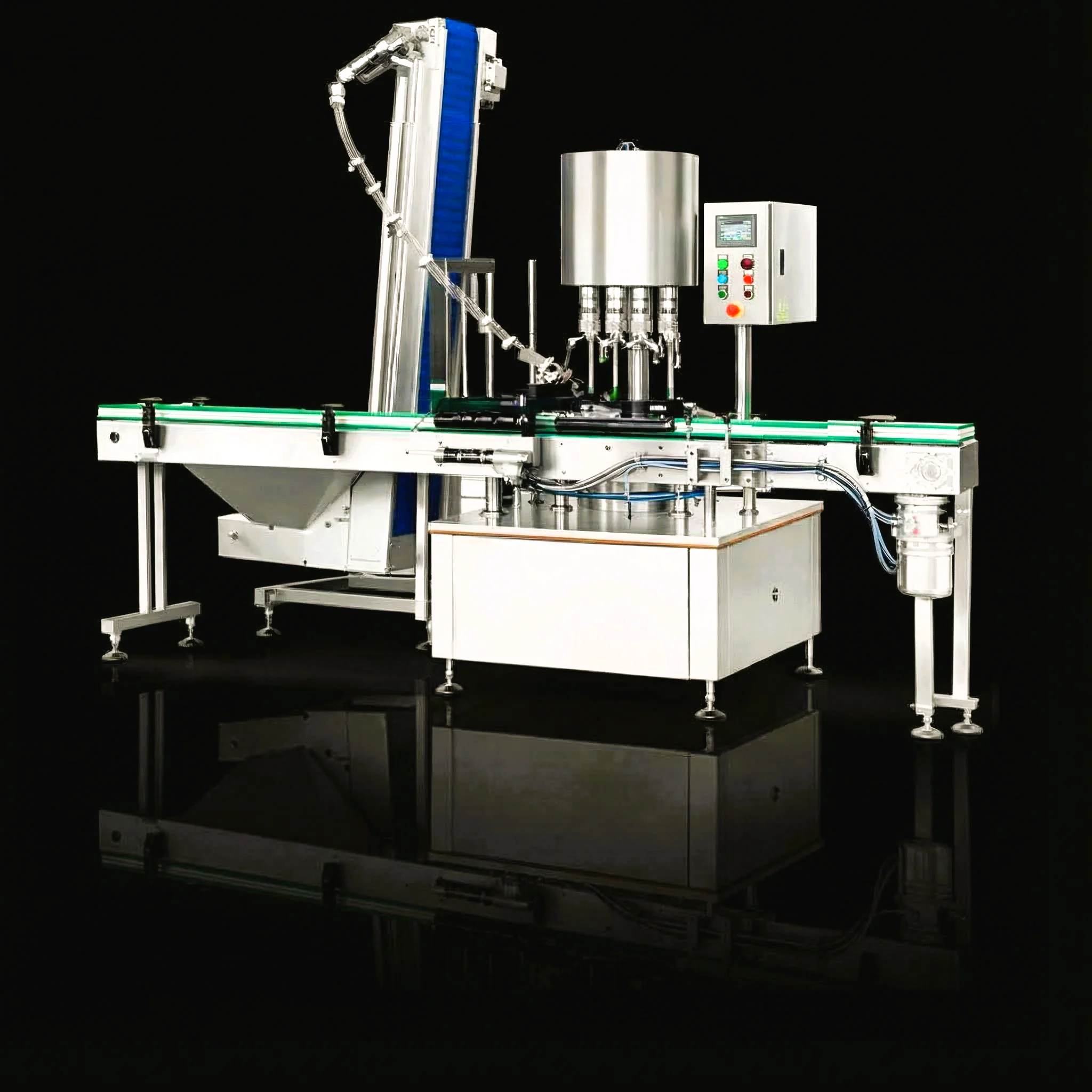
Your production requirement
Detergents, cleaners, oils, lubricants, solvents, adhesives and other chemical products can place very different demands on seals, pumps, hoses, nozzles, enclosures and controls. Safety data and the site classification must be reviewed early.
The container and closure are equally important. Flexible bottles, vented caps, trigger sprays, jerrycans and larger formats can require dedicated support and feeding arrangements throughout the line.
Line architecture
Equipment scope and materials are defined for the specific product and operating environment.
Assess wetted materials, seals, pipework, pumps and connections against the product data.
Manage fumes, splashes, drips or foaming using suitable enclosure and nozzle arrangements.
Apply caps, pumps, triggers or seals with the required container support and checks.
Label, code and collate products according to the agreed hazard and logistics information.
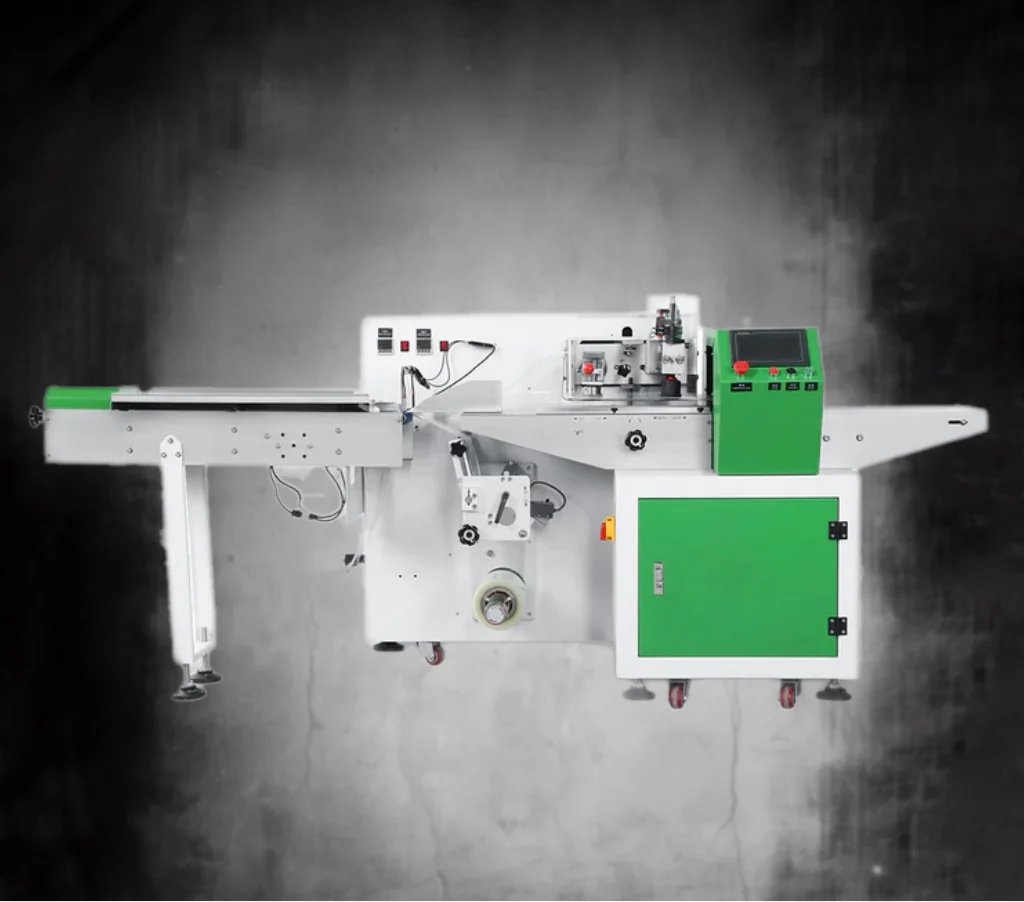
Specification checklist
The project cannot be specified responsibly without current safety and process information.
Your project route
Tell us the product, pack formats, output target, shifts, site constraints and future plans.
We review representative product, containers, closures and labels so recommendations are based on real production materials.
You receive a coordinated line concept covering machinery, transfers, controls, guarding, access, utilities and changeovers.
We support installation, integrated testing, settings, operator training and production handover against the agreed scope.
You can plan servicing, critical spares, new formats and future improvements around production risk.
Operational value
Product-contact and exposed components are reviewed against application data.
Filling and transfer arrangements address drips, splashes and pack stability.
Site services, hazardous-area duties and customer responsibilities are documented.
Start with your product and production goal
Tell us what you pack, the container and closure, your target output and the space available. We will help you identify the right line sequence and level of automation.
Straight answers
They can be in suitable applications, but materials, seals, containment, cleaning and maintenance must be selected against the specific chemical data.
Yes, provided the area classification, product data and responsibilities are declared at the start. The final solution is application- and site-specific.
Usually these are very different handling duties. A combined line may be possible only after the format, speed and changeover implications are reviewed.
Current safety data, product properties, container and closure samples, site classification, output, cleaning and containment expectations are essential.
Next steps
Solution
Continue planning with this related automatic-line resource.
View liquid filling linesModule
Continue planning with this related automatic-line resource.
View capping systemsGuide
Continue planning with this related automatic-line resource.
View packaging line project briefChemical-line project definition
Chemical and household products should be specified using current product safety information and the actual operating concentration and temperature. Material compatibility, vapour, static, containment, drainage, ventilation and cleaning may affect the product path and the surrounding line design.
The customer’s site assessment remains essential. Equipment selection should not assume an area classification, emission control or safe-cleaning method that has not been confirmed by competent review.
| Subject | Provide | Project use |
|---|---|---|
| Product | Safety data, composition guidance, temperature and representative sample | Compatibility, containment, filling and cleaning review |
| Container and closure | Materials, neck finish, venting and required seal integrity | Handling, closing, leak-control and inspection decisions |
| Site | Area assessment, ventilation, drainage, utilities and emergency arrangements | Equipment boundary and installation requirements |
| Waste and cleaning | Flush material, recovery method and disposal responsibility | Product-path design and operating procedure |
Project check
Review all wetted and exposed materials against the declared product and cleaning media.
Project check
Plan drip, splash, vapour and failed-container handling around the actual pack.
Project check
Record what is supplied by the equipment project and what remains a customer site system.
Use the related pages to turn this guidance into a clearer scope and a more useful technical discussion.
DANGEROUS-SUBSTANCE PROJECT INPUTS
Where a chemical product can create fire, explosion, health or material-compatibility risks, the project should begin with current Safety Data Sheets, product temperature, flashpoint or dust information where relevant, cleaning substances, ventilation, zoning and the site's competent DSEAR and COSHH assessments. A generic filling-machine description cannot confirm suitability for a hazardous application.
HSE explains that DSEAR requires employers to assess fire and explosion risks from dangerous substances and reduce those risks so far as reasonably practicable. Final machinery and site decisions must follow the customer's competent assessment and applicable law.
Review HSE's DSEAR overview and COSHH guidance before fixing the application scope.